Song Meaning
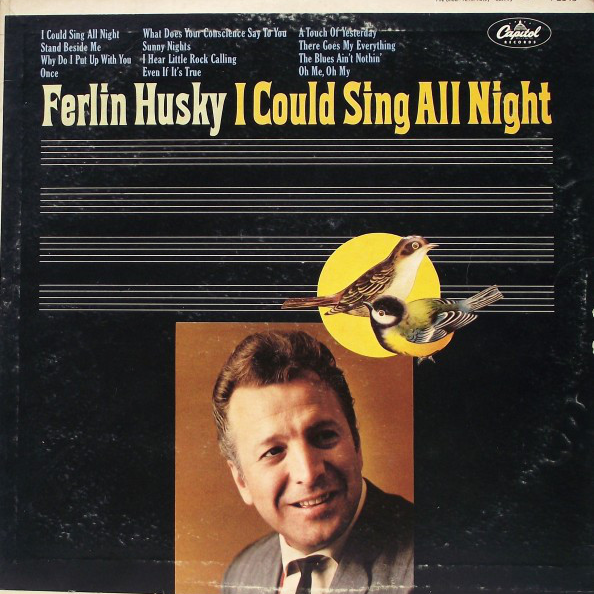
Ferlin Husky's "Once" is a masterclass in minimalist heartbreak, a study of regret distilled to its most potent essence. The song isn't about the details of a lost love, but the gaping hole it leaves behind. Husky meticulously paints a portrait of a life irrevocably altered, where past happiness serves only to amplify present desolation. The repeated use of "once" isn't just a lyrical device; it's a psychological hammer, driving home the permanence of the loss. "I was happy - once / You'd never believe it today" isn't just a statement; it's a lament for a self that no longer exists. The stark contrast between then and now underscores the devastating impact of whatever went wrong. The lyrics hint at carelessness, a gradual erosion rather than a sudden cataclysm: "I slipped out - once / All at once you slipped away". This suggests a slow fade, a relationship lost not in a blaze of drama but through neglect, which arguably makes the pain even more acute.
The brilliance of "Once" lies in its ability to evoke profound sadness with such simple language. There are no flowery metaphors or elaborate narratives, just a raw, unflinching acknowledgement of loss. The line "Life had beauty - once / It's not worth livin' today" is a brutal expression of despair, a sentiment many who have experienced deep heartbreak can relate to. It's not about romanticizing sadness, but about confronting the stark reality of grief. The comparison of regret to wine, deepening with time, is the most vivid image in the song, suggesting that the pain doesn't diminish but instead becomes more complex and entrenched.
Ultimately, the song meaning of "Once" resonates because it taps into a universal fear: the fear of losing something precious and the irreversible consequences of our actions. Ferlin Husky doesn't offer any easy answers or comforting platitudes. Instead, he presents us with a stark and honest depiction of a life haunted by what could have been. The song's power lies in its simplicity and the emotional vulnerability it lays bare, making it a timeless exploration of regret and the enduring impact of lost love.
 View Artist