Song Meaning
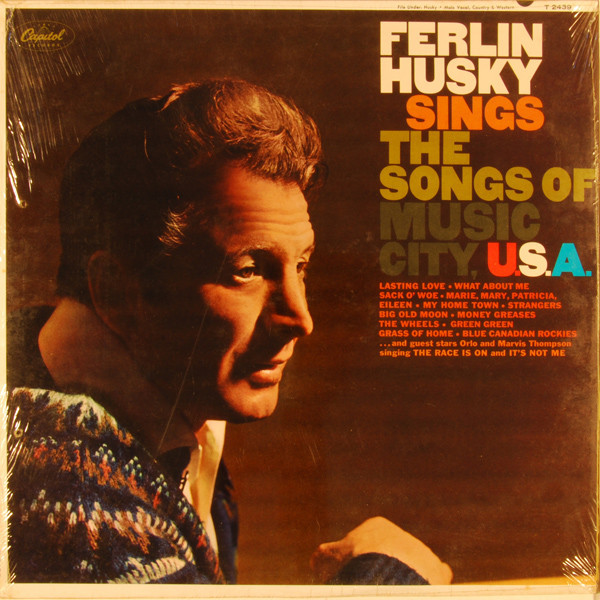
Ferlin Husky's "My Home Town" isn't just a sentimental journey; it's a poignant exploration of identity and the bittersweet ache of displacement. The song taps into a universal longing for belonging, framed through the very specific lens of a man contemplating a return to the place of his birth. The opening lines, tinged with uncertainty – "I wonder if there's anyone remembers me in my hometown" – immediately establish a sense of alienation, hinting that time and distance have eroded the singer's connection to his roots. This isn't a triumphant homecoming; it's a hesitant query, freighted with the anxiety of being forgotten. The lyrics analysis reveals the core of the song meaning: the potential erasure of self that comes with leaving one's formative environment.
The second verse deepens this exploration, moving from the abstract to the concrete. The desire to revisit the "little house where I was born" and "wade the creek again" speaks to a primal need to reconnect with the physical spaces that shaped his early self. These aren't just nostalgic whims; they're attempts to validate his existence, to prove to himself (and perhaps to an imagined audience of former acquaintances) that he truly existed in this place and time. The treasures hidden in the creek symbolize the formative experiences and memories that, while seemingly insignificant, contributed to his development. The yearning to "remember all the places I knew when I was a kid" underscores the idea that identity is inextricably linked to place and that revisiting these places can unlock dormant aspects of the self.
Ultimately, "My Home Town" resonates because it captures the complex emotions associated with the passage of time and the inevitable changes that occur both within ourselves and in the world around us. The repetition of the phrase "a beautiful dream" highlights the idealized nature of the singer's vision, suggesting that the reality of returning might not live up to the fantasy. However, the song's power lies in its ability to evoke that universal yearning for a simpler, more authentic past, a place where we were known and understood, and where our sense of self was still being formed. It's a testament to the enduring power of place and its profound impact on our individual identities.
 View Artist