Song Meaning
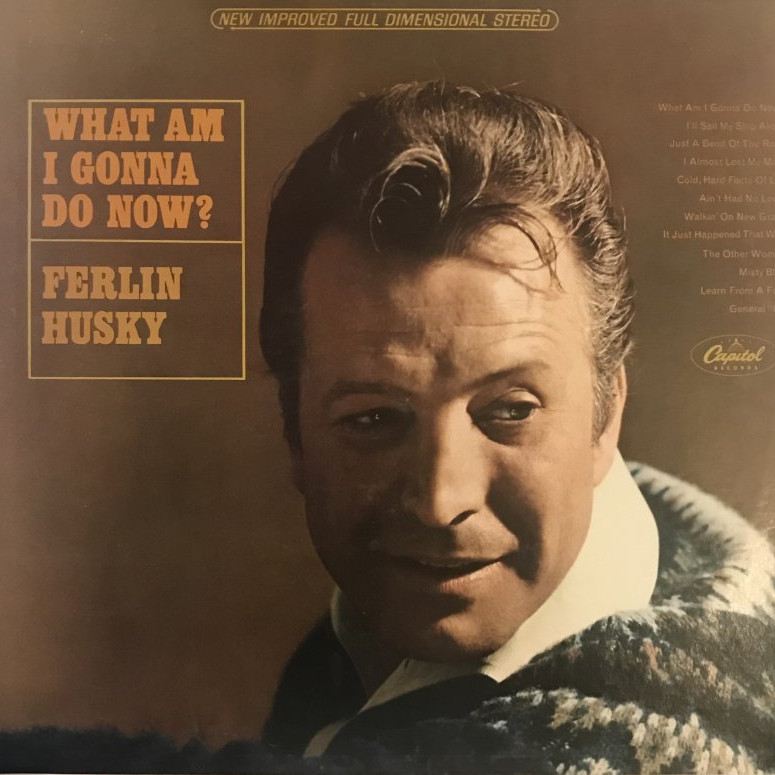
Ferlin Husky's "Misty Blue" isn't just a countrypolitan heartbreak ballad; it's a masterclass in melancholic longing, a sonic portrait of the inescapable grip of memory. The song's power lies not in histrionics, but in the quiet desperation that permeates every line. Husky doesn't rage against the lost love; he's simply drowning in its afterglow. The color "misty blue" becomes more than just a descriptor; it's the very air he breathes, the filter through which he experiences the world. It's a clever synesthetic device, turning emotional pain into a tangible, almost physical sensation. The idea of the color blue representing sadness is not new, but Husky makes it his own here.
The lyrics themselves are deceptively simple, almost conversational. Phrases like "looks like I could get you off my mind / But I can't" cut to the core of the listener's experience of regret. The narrator is trapped in a loop, consciously aware of the need to move on, yet utterly powerless to do so. The line, "Just the mention of your name turns the flicker to a flame," speaks to the volatile nature of memory, how even the smallest trigger can reignite the inferno of lost love. It highlights the psychological phenomenon of emotional flashbacks, where sensory cues can transport us back to emotionally charged experiences with startling vividness.
Ultimately, the song meaning of "Misty Blue" resides in its raw honesty. There's no attempt to sugarcoat the pain or project a false sense of strength. The narrator is vulnerable, admitting his inability to forget. He even concedes that he lied when he claimed to be glad it was over. It is this naked vulnerability, combined with Husky's understated delivery, that elevates "Misty Blue" beyond a typical heartbreak song. It becomes a timeless exploration of the enduring power of love and the lingering ache of loss.
 View Artist