Song Meaning
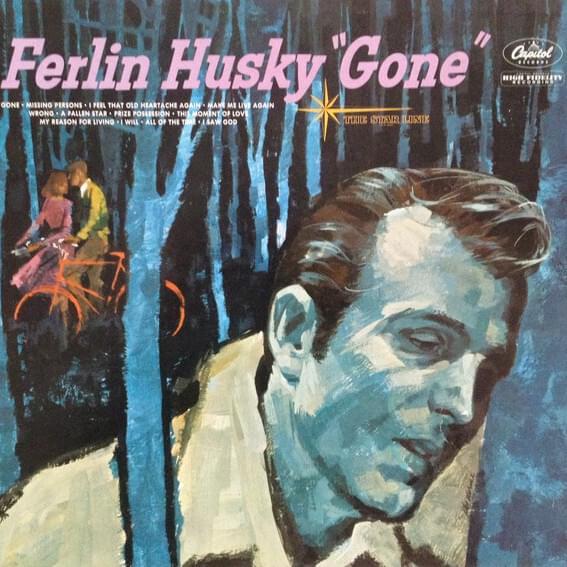
Ferlin Husky's "Missing Persons" isn't just a country lament; it's a stark exploration of codependency and emotional disintegration. The protagonist's visit to the missing persons bureau isn't a simple search for a lost lover; it's an admission of his own fractured self. He describes the woman he seeks, highlighting her flaws ("the time you've cheated"), yet also his premature forgiveness, revealing a pattern of enabling behavior. The captain's observation that others are also "looking for a missing person too" suggests a broader societal epidemic of lost souls, each grappling with their own sense of incompleteness. The raw honesty in Husky's delivery underscores the universality of this experience, where love becomes intertwined with a desperate need for external validation. The lyrics paint a picture of a man whose identity is so interwoven with his partner's that her absence renders him equally lost, foreshadowing his own transformation into a 'missing person.'
The genius of the song lies in its subtle blurring of the lines between physical absence and emotional vacancy. The captain's sympathetic words are less about police procedure and more about acknowledging the narrator's internal state. The repeated line, "And until I find you baby I'll be a missing person too," is not merely a statement of longing, but an acknowledgment of the protagonist's fragmented self. The open-ended nature of the search, "walking all my shoes out searching each tree an avenue," suggests a potentially endless quest, reflecting the cyclical nature of codependent relationships. The listener is left to ponder whether the narrator will ever truly find his partner, or if he will remain trapped in a perpetual state of searching, forever defined by her absence.
"Missing Persons" transcends the typical heartbreak ballad, offering a darker, more psychologically nuanced portrait of love and loss. Husky exposes the unsettling truth that sometimes, the person we're searching for is ourselves, lost within the confines of a relationship that has eroded our individual identity. The song's power resides in its unflinching depiction of this internal struggle, a struggle that resonates far beyond the confines of a country tune, tapping into the universal human desire for connection and the devastating consequences of losing oneself in the process. It serves as a potent reminder of the importance of maintaining a sense of self, even within the most intimate of relationships.
 View Artist