Song Meaning
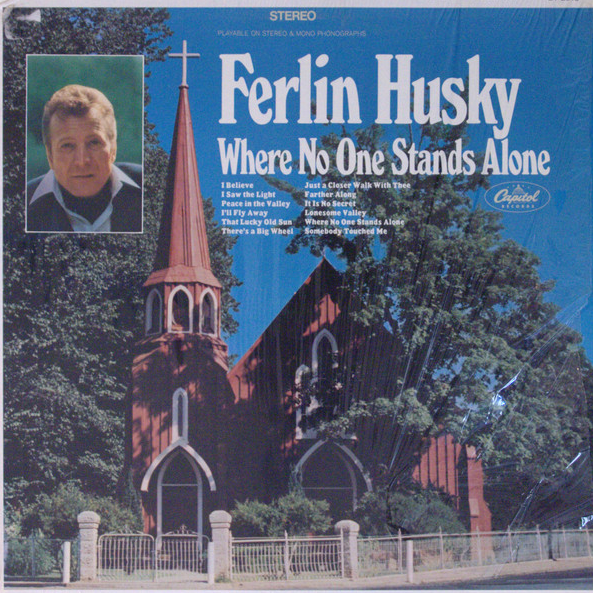
Ferlin Husky's rendition of "Lonesome Valley" doesn't just present a hymn; it's a stark psychological portrait of faith as radical individualism. The insistent repetition of "you've gotta go there by yourself" isn't merely about physical isolation; it plumbs the depths of spiritual confrontation. Husky isn't offering communal solace; he's demanding personal accountability in the face of existential reckoning. The lonesome valley becomes a metaphor for the ultimate, solitary test of belief. It's the moment where dogma fades, and one is left alone to wrestle with faith's core tenets. The song strips away the comfortable buffer of collective worship, leaving the listener exposed and vulnerable.
The lyrics, while seemingly straightforward, carry a profound weight. The mention of speaking like angels or preaching like Saint Paul highlights the inadequacy felt by the average believer. It's a recognition that faith isn't about grand pronouncements or performative piety, but about the simple, personal acknowledgment of Jesus' sacrifice. This accessibility, however, doesn't negate the solitary nature of the journey. Even in shared faith, the acceptance and internalizing of belief remain intensely private acts. The longing for reunion with loved ones "away up yonder" offers a glimpse of hope, but it's a future reward, contingent upon navigating this present, solitary struggle.
Ultimately, “Lonesome Valley” underscores the paradox at the heart of faith. It's a communal experience, yet it demands a deeply personal and isolating journey. Husky's delivery, steeped in the traditions of gospel and country, amplifies this tension. He offers no easy answers, no group discounts on salvation. The song's power lies in its unflinching portrayal of faith as a solitary path, a valley each individual must traverse alone, armed only with their own conviction and the echo of a promise.
 View Artist