Song Meaning
Ferlin Husky's "King Of A Lonely Castle" isn't just a country lament; it's a masterclass in emotional architecture. The song's genius lies in its layered approach to heartbreak. On the surface, we have the archetypal image of royalty in despair: a king isolated in his castle, mourning the loss of his queen. The 'empty courtyard,' the 'drawbridge high,' and the jester's 'saddest goodbye' paint a vivid picture of desolation, all classic symbols of abandonment. This regal imagery serves as a powerful metaphor for the singer's internal state, amplifying the sense of loss to operatic proportions. But it is the quiet turn in the lyrics that reveals the core of the song's profoundness.
Midway through, Husky pulls the rug out from under the listener—and himself. 'But I don't really have a castle / And I don't have a throne to ascend.' The admission that the entire royal narrative is a fabrication, a 'storybook end,' transforms the song from a simple tale of woe into a poignant exploration of grief and denial. The castle becomes a psychological construct, a defense mechanism erected to cope with the pain of lost love. The elaborate fantasy allows the singer to express the enormity of his feelings without fully confronting the reality of his situation. He isn't literally a king, but the *feeling* of being stripped of his power and purpose, of ruling over nothing but emptiness, is very real.
Ultimately, the song meaning of "King Of A Lonely Castle" is about the stories we tell ourselves to survive heartbreak. The 'banner flying' and the declaration to 'heaven I die every hour' are not literal events, but rather expressions of the all-consuming nature of grief. By embracing the fantasy, Husky taps into a universal truth: that sometimes, the most honest way to express our deepest emotions is through the language of metaphor and imagination. The performance of the song becomes an act of catharsis, a way to process the unprocessable and to reign, however fictitiously, over the kingdom of one's own sorrow.
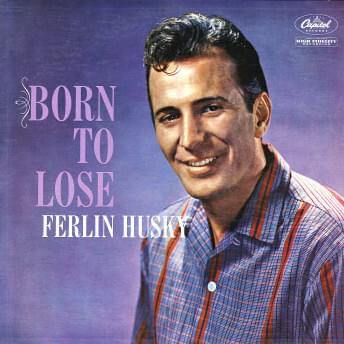
 View Artist