Song Meaning
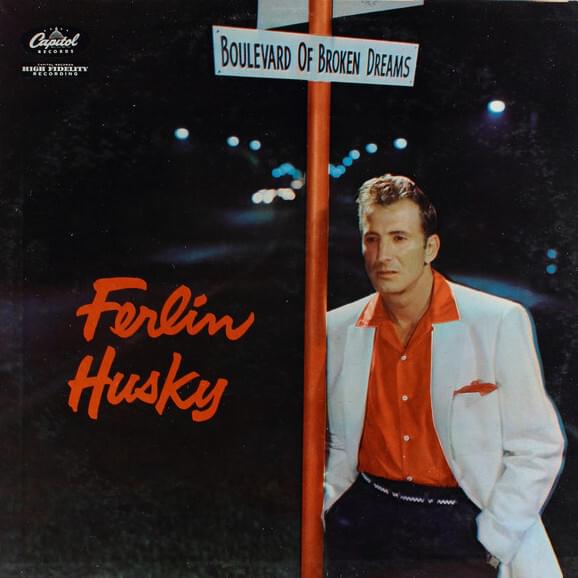
Ferlin Husky's "It All Comes Back To Me Now" isn't just a countrypolitan lament; it's a masterclass in regret, painted with the hazy brushstrokes of nostalgia. The song meaning hinges on the devastating realization that a fleeting moment, dismissed as a mere "thrill," was actually the genesis of something profound: love. Husky doesn't offer excuses, but rather presents a stark before-and-after. The initial verses shimmer with idyllic imagery – a "starry summer sky," a "sea of midnight blue" – romantic clichés, yes, but delivered with a sincerity that makes the subsequent heartbreak all the more acute.
The central tension in “It All Comes Back To Me Now” lies in the contrast between the past's blissful ignorance and the present's crushing awareness. The lyrics point to a youthful indiscretion, a missed opportunity born of naivete. They "blamed the moon up above," a convenient scapegoat for emotions they couldn't comprehend. This denial, a common defense mechanism against vulnerability, ultimately paved the way for the singer's current state of despair. The casual dismissal of a potentially life-altering connection echoes throughout the song, a constant reminder of what was lost.
Husky's delivery amplifies the lyrical content, transforming the song into a desperate plea. The repetition of "It all comes back to me now" functions as both a confession and an obsessive mantra. The final lines, a lonely prayer for the return of lost love, solidify the song's core message: the most painful regrets are not necessarily about grand failures, but about the subtle, almost imperceptible moments where we unknowingly let love slip through our fingers. The true genius of "It All Comes Back To Me Now" resides in its ability to evoke this universal experience of hindsight, reminding us that the past is never truly gone, but rather a constant presence shaping our present.
 View Artist