Song Meaning
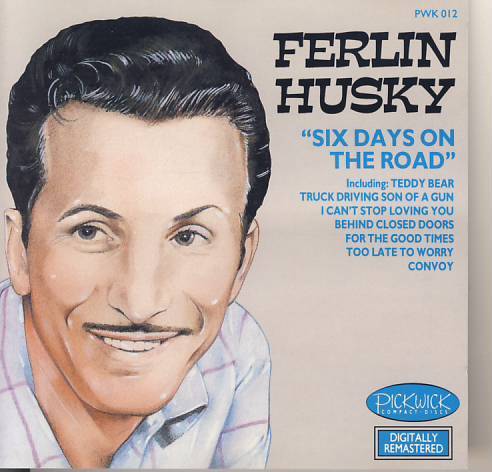
Ferlin Husky's "For The Good Times" isn't a raw, gut-wrenching breakup anthem; it's something far more psychologically complex: a study in preemptive grief and carefully managed emotional distancing. The singer acknowledges the end of the relationship not with anger or denial, but with a weary acceptance bordering on resignation. The opening lines, "Don't look so sad I know it's over / But life goes on and this old world will keep on turning," reveal a desire to control the narrative, to minimize the perceived pain for both parties, even if it means suppressing his own true feelings. He's already bracing himself for the inevitable solitude, steeling himself against the sadness he knows is coming. It's a performance of stoicism, masking a deeper vulnerability. The song meaning revolves around a profound sense of impending loss.
The core of the song's emotional weight lies in the plea for one final, manufactured moment of intimacy. The repeated request to "Lay your head upon my pillow, hold your warm and tender body close to mine / Hear the whisper of the raindrops blowing soft against the window / And make believe you love me one more time for the good times" is both heartbreaking and subtly manipulative. He's not asking for a genuine rekindling of love, but for a temporary reprieve from the pain of separation. This "make believe" love is a coping mechanism, a way to soften the blow of the impending farewell. The "good times" aren't necessarily remembered fondly; they're being actively recreated, however artificially, to ease the transition. The lyrics analysis shows a man caught between genuine affection and the cold reality of a dying relationship.
The final verse reinforces this theme of detached acceptance. "I'll get along you'll find another and I'll be here if you should find you ever need me / Don't say a word about tomorrow or forever / There'll be time enough for sadness when you leave me" is a carefully constructed facade of selflessness. He's projecting an image of resilience, suggesting that both will move on, while simultaneously positioning himself as a safety net, a fallback option. This isn't necessarily born of malice, but of a deep-seated fear of being forgotten, of being completely erased from her life. The song, therefore, becomes a poignant exploration of the human need for connection, even as that connection is irrevocably severed. It's a masterclass in bittersweet farewells, delivered with a measured grace that only amplifies the underlying ache.
 View Artist