Song Meaning
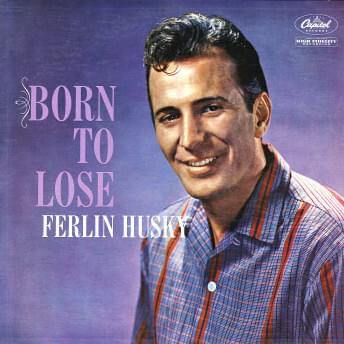
Ferlin Husky's "Each Time You Leave" isn't just a country lament; it's a distilled study in codependency, a sonic snapshot of a soul utterly tethered to another. The repeated assertion, "Each time you leave I die a little," isn't mere hyperbole; it lays bare the terrifying vulnerability of someone whose sense of self is entirely contingent on the presence of their beloved. Husky doesn't shy away from the perceived weakness inherent in this position, acknowledging the potential for derision with the line, "Say I'm foolish if you will." This preemptive strike almost dares the listener to judge, while simultaneously reinforcing the raw, unfiltered emotion at the song's core. The analysis of these lyrics reveals a profound fear of abandonment.
The phrase "My foolish heart just won't be still" speaks to the internal turmoil, the constant anxiety that gnaws at the narrator's insides. It's a heart that refuses to accept the reality of temporary separations, a heart perpetually yearning for reassurance. This isn't a celebration of love's power; it's an unflinching examination of its potential to cripple, to reduce a person to a state of near-paralysis when faced with the prospect of solitude. The plea, "Hold me and say that you'll always stay," transforms the song into a desperate bargain, a soul bargaining for its very survival.
Ultimately, the song meaning of "Each Time You Leave" resides in its stark portrayal of emotional reliance. Husky doesn't offer solutions or platitudes; he simply presents the unvarnished truth of a heart fractured by absence. The simplicity of the lyrics, combined with Husky's plaintive delivery, amplifies the emotional impact, leaving the listener to grapple with the uncomfortable realities of love's darker corners. It's a song that resonates precisely because it taps into a universal fear: the fear of losing the one thing that makes us feel truly alive, the fear of being left alone in the silence that follows their departure.
 View Artist