Song Meaning
Ferlin Husky's "Detroit City" isn't just a country lament; it's a stark portrait of the psychological cost of the American Dream. The song's power lies in its deceptive simplicity. The protagonist's yearning for 'cottonfields and home' isn't merely homesickness; it's a rejection of the dehumanizing grind of industrial life. Detroit, initially envisioned as a land of opportunity, becomes a gilded cage. He's trapped, sending carefully curated letters that mask his despair. The repeated refrain, 'I wanna go home,' transforms from a simple wish into a desperate plea, a primal scream against the alienation he feels. He is living a lie, and the weight of that lie is crushing him.
The lyrics subtly expose the chasm between perception and reality. While his family believes he's 'big in Detroit City,' he's toiling in factories by day and seeking solace in bars by night. This dichotomy highlights the performative aspect of success, the pressure to project an image of prosperity even when the reality is one of quiet desperation. The 'letters that I write' become instruments of deception, perpetuating a false narrative to protect his loved ones from the truth of his disillusionment. He would rather they remember him as a success than a failure.
Ultimately, "Detroit City" is a song about the illusion of progress and the enduring power of human connection. The decision to 'take my foolish pride' and return home, despite the perceived shame of failure, signifies a reclaiming of authenticity. It's a recognition that true fulfillment lies not in material success, but in the embrace of loved ones and the familiar comforts of home. The freight train, initially a symbol of his ambition, becomes the vehicle for his redemption, carrying him back to a place where he can finally be his true self. The song resonates because it speaks to the universal desire for belonging and the courage it takes to prioritize happiness over societal expectations.
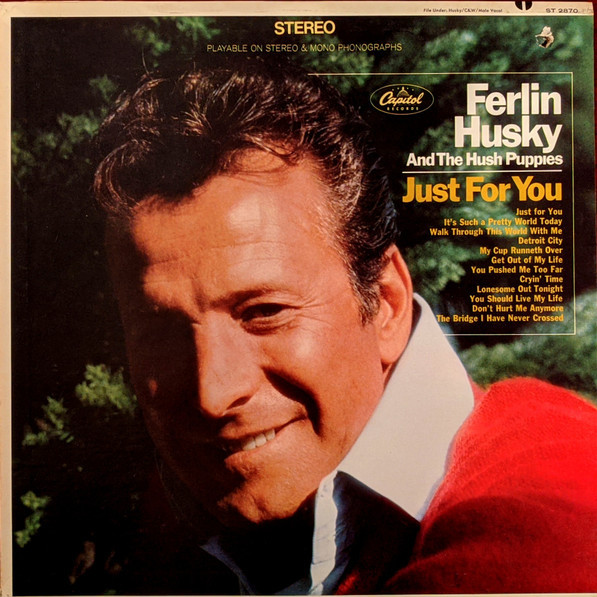
 View Artist