Song Meaning
The lyrics paint a vivid picture of enduring love and loss, where the narrator is consumed by the remnants of a past relationship. The opening lines suggest a love that has caused pain, leaving the narrator as mere "ashes of affection" that are gathered under the full moon. This imagery sets a tone of melancholic remembrance, where even the celestial cycles are tied to the act of collecting these fragments of what once was. The dominant emotion is a deep, almost sacred preservation of memory, tinged with the fear of further loss.
The central tension lies in the narrator's desperate attempt to hold onto the memory of a loved one, described as an "incurable ailment" yet also an "unfindable cure." This paradox highlights the dual nature of this love: it's a source of pain but also something precious and irreplaceable. The repeated phrase "I hide it by my bedside" emphasizes this intimate, almost obsessive guarding of what remains, driven by a profound fear of losing it entirely. This is further amplified by the fear of mornings ending, suggesting a desire to prolong the state of longing rather than face a reality without the beloved.
A striking element is the contrast between the tangible and intangible. The narrator speaks of a "house that isn't here" which was their home, and the sound of a child passing by, evoking a sense of a lost past and a present devoid of that shared life. The idea that "broken pieces of big dreams" are hard to hide and their traces difficult to conceal speaks to the overwhelming nature of this lost love. The recurring wish for a single voice to reach the beloved's cheek before the wind takes it, even if it's the last sound, underscores a yearning for connection that transcends physical presence and even the narrator's own existence.
Ultimately, the lyrics resonate because they capture the profound impact of a singular, all-encompassing love. The narrator declares this love was "enough for my whole life," suggesting its immense significance. The notion that it is "sought in the heavens, not found on earth" and that "the burden cannot be asked of the clouds" elevates this love to a near-mythical status, making its absence a cosmic void. The craft lies in its blend of intensely personal imagery with almost spiritual declarations, creating a powerful portrait of love's enduring, even after its physical form has dissolved into memory and is preserved within memory.
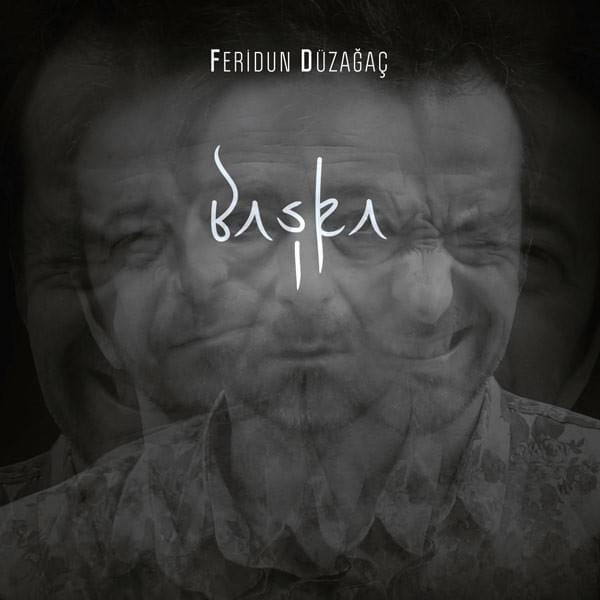
 View Artist