Song Meaning
These lyrics paint a vivid, poignant picture of a person's final wishes, contemplating death "unwillingly." It's a deeply personal request for how their end should be handled, blending a desire for natural serenity with a yearning for unburdened freedom. The tone is one of tender resignation, laced with a quiet, profound regret.
The central emotional tension here lies in the stark contrast between a life lived with apparent constraints and the ultimate freedom sought in death. The narrator asks for their body to be left with "nothing on me" because they "could never be naked" in life. This isn't just about physical nakedness; it suggests a lifetime of emotional guardedness or societal expectations, now shed in a final, vulnerable act of liberation. The request to stretch their arms "as if I'm going to embrace things I've never tasted" further underscores this sense of unfulfilled longing.
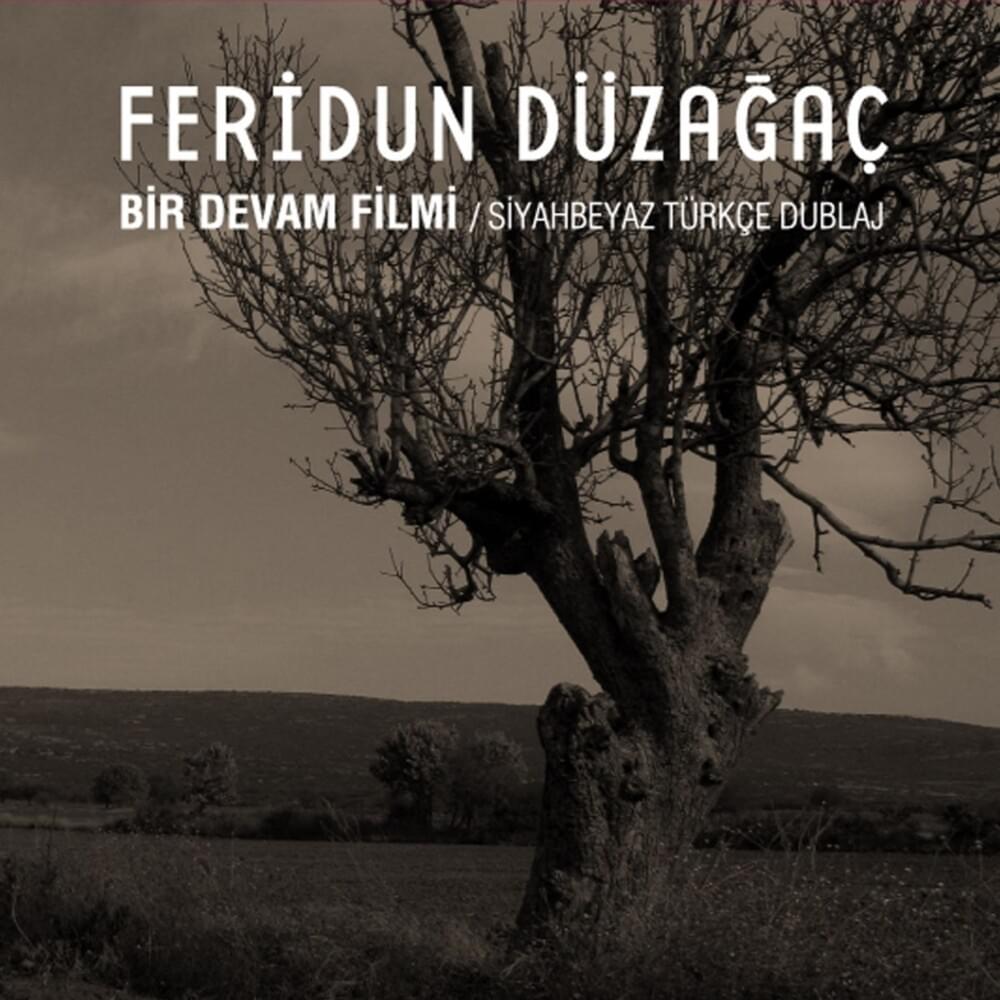
The craft truly shines in the specific, almost contradictory, instructions for their burial and loved ones. They wish to be under a tree, but crucially, it must "also see the sea"—a blend of rootedness and boundless expanse. The narrator wants their "loved woman" to stroke their hair, a tender, intimate gesture, yet pleads, "please, let my mother not cry." This nuanced distinction reveals a deep understanding of different forms of grief and comfort, seeking solace from one while trying to spare another the pain.
The lyrics achieve their powerful emotional impact in the closing lines, where the personal grief transcends into a broader, poetic connection with nature. The narrator wonders, "Will the wind miss stroking my hair?" and asks for the rain to "bring back my tears." This personification of nature as a mourner, reflecting the speaker's own unwept tears, elevates the individual's passing into a universal, almost spiritual, cycle of loss and remembrance. It's a breathtakingly beautiful way to find peace, suggesting that even if human tears are held back, the natural world will acknowledge their absence.
 View Artist