Song Meaning
The lyrics paint a picture of profound loneliness and despair, experienced before finding a transformative love. The narrator describes a life devoid of meaning and hope, a bitter existence where even physical touch offers no solace because the desired presence is absent. This emptiness is starkly contrasted with the discovery of happiness in the eyes of a specific person, suggesting this individual is the sole source of light in a previously dark world. The lines "Sensiz yalnızlığı, anlamsızlığı" and "Tadı olmadan ömrün, umutsuzluğumu gördüm" directly establish this bleak initial state.
The central tension lies in the narrator's declaration of this new love as their ultimate and final hope. Having experienced such deep despair, the narrator projects an immense weight onto this relationship, framing it as the definitive end to all past suffering. The repetition of "Sen son aşkım, son ümidim olacaksın" emphasizes this absolute reliance and the belief that this love will permanently heal old wounds. The imagery of past hurts "Sessizce küllenip / Savruluyor" suggests a finality to the pain, made possible by this new connection.
The most striking craft element is the absolute, almost desperate, finality the narrator attaches to this love. It's not just a great love; it's positioned as the "son aşkım" (my last love) and "son ümidim" (my last hope). This framing elevates the relationship beyond mere romance into a salvific force, the only thing capable of bringing life back to a "ruh" (soul) that was previously lost. The repeated assertion that "Yaşadığım en büyük aşk sen olacaksın" (You will be the greatest love I've lived) reinforces this hyperbolic, all-encompassing devotion.
This lyrical construction is effective because it taps into the universal human desire for a love that can erase past pain and provide ultimate security. By detailing the depths of loneliness and then presenting this singular figure as the absolute cure, the lyrics create a powerful emotional arc. The unwavering, almost religious, conviction in the power of this love makes the declaration feel intensely personal and deeply resonant, suggesting that for this narrator, this is not just a relationship, but a fundamental redefinition of existence.
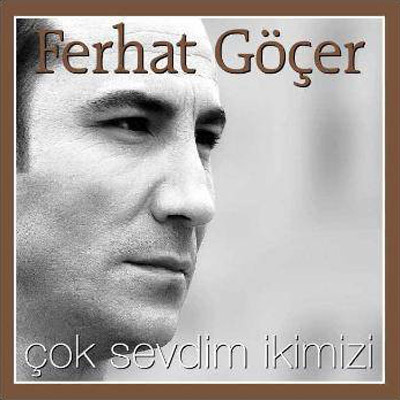
 View Artist