Song Meaning
This track opens with a powerful declaration of dependence, almost a curse: "Dönmez olsun, dönmez olsun / Sensiz bu dünya dönmez olsun." The repetition hammers home the idea that the world itself ceases to function without the beloved. This isn't just sadness; it's a cosmic halt, a refusal of reality to proceed without them. The narrator’s internal state mirrors this, with "İçimdeki ateş sönmez olsun," suggesting a passion that will burn eternally, refusing to be extinguished.
The central tension lies in the possessive claim over "Bu şarkı bizim olsun," which is declared "Aşkıma son söz olsun" – the final word of their love. This song is positioned as the ultimate testament, a permanent marker of their relationship. The imagery of "Gönlümün pınarında / Adın ceylanım olsun" paints a tender picture of the beloved's name being etched into the very source of the narrator's affection, a delicate and enduring image.
The most striking craft element is the relentless parallel structure and repetition. Phrases like "Dönmez olsun," "Sönmez olsun," and "Görmez olsun" create a hypnotic, almost incantatory effect. This isn't just about stating feelings; it's about weaving them into the fabric of existence through sheer force of will and language. The repeated assertion that "Sensiz bu dünya dönmez olsun" and "Sensiz bu gözler görmez olsun" underscores a profound, almost existential, inability to perceive or exist apart from the other.
What makes these lyrics hit so hard is their absolute, unwavering commitment. There's no room for doubt or compromise; the narrator's love is presented as an all-or-nothing proposition. The song itself becomes the vessel for this ultimate declaration, a final, burning statement of a love that demands the world acknowledge its permanence. The intensity of the repeated refrains leaves the listener with a sense of overwhelming, all-consuming devotion.
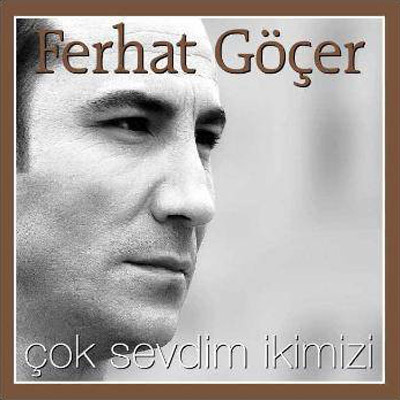
 View Artist