Song Meaning
The narrator stands at a precipice, facing a significant choice with an almost unnerving calm. The imagery of a "door in the wall" opening suggests an unexpected opportunity or a hidden path. This moment is framed by the recurring question, "does it make you feel alright in the night?" which hints at an underlying anxiety or a need for reassurance before stepping through. The sudden, almost surreal question about the "fields so bright in the night" adds a layer of dreamlike disorientation to this pivotal decision.
The core tension lies between embracing the unknown and the fear of what that entails. The narrator acknowledges that "when the light's all gone I'll know it's over," implying a finality to this choice, and resolves not to "forget the things I've done." This suggests a past that weighs on the present decision, a history that must be reckoned with before moving forward. The repeated search for "the real truth in the night" underscores a deep introspection, a quest for clarity amidst uncertainty.
The most striking craft element is the juxtaposition of the mundane "door in the wall" with the ethereal "fields so bright in the night." This contrast creates a disorienting yet compelling atmosphere. The repetition of "in the night" throughout both verses anchors the listener in a specific, liminal time, a period of darkness where clarity and revelation are sought. The final, abrupt image of "Cathedral up" feels like a sudden, almost spiritual ascent or a grand, perhaps overwhelming, realization following the internal struggle.
These lyrics hit hard because they capture the quiet, internal drama of a life-altering decision. The narrator’s blend of resolve and vulnerability, coupled with the surreal, nocturnal imagery, creates a potent sense of introspection. The writing doesn't offer easy answers, instead immersing the listener in the charged atmosphere of a moment where truth and choice converge under the cover of night.
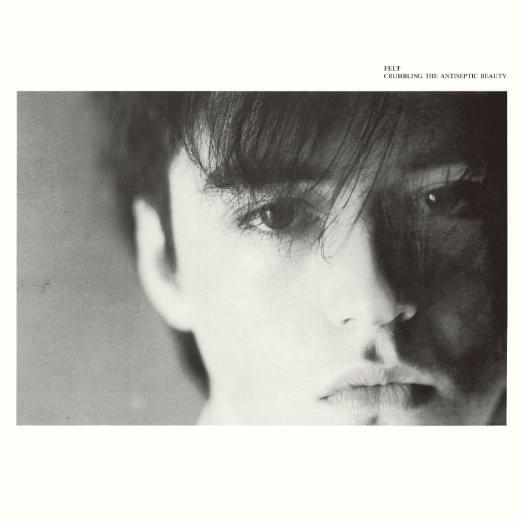
 View Artist