Song Meaning
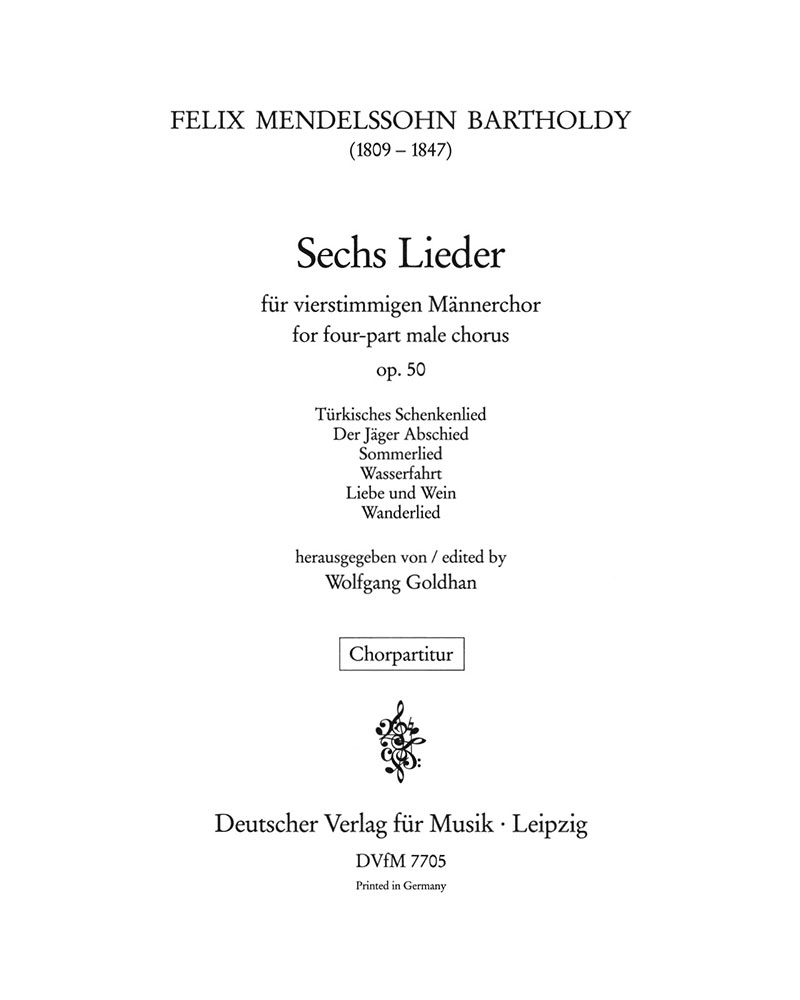
This short, almost catechism-like piece presents a stark dichotomy between the pain of love and the solace found in wine. The opening questions, met with sharp, definitive answers, immediately establish love's suffering as a source of torment. "Liebesschmerz," "Liebesnoth," and "Liebesqual" are not just abstract concepts but tangible afflictions, causing heartache and red eyes. The lyrics even suggest this pain can be fatal, warning that "Liebesschmerz und Qual" has "oftentimes killed people."
The narrative then pivots, posing a new set of questions about healing and comfort. The answers shift dramatically to the realm of fermented grapes: "Alter Wein" (old wine), "Frischer Most" (fresh must/new wine), and "Traubenblut" (grape blood, a poetic term for wine). This section directly contrasts the destructive power of love with the restorative properties of wine. The repetition of the question-and-answer format, now focused on remedies, underscores the effectiveness of these libations.
The true craft lies in the stark, almost simplistic structure that amplifies the message. The direct, unadorned questions and answers create a sense of undeniable truth, as if these are fundamental laws of existence. The final stanza acts as a triumphant declaration, urging the immediate procurement of "this noble good." The concluding line, "Wein erfrischt das Blut!" (Wine refreshes the blood!), serves as a powerful, visceral affirmation of wine's life-giving, pain-alleviating power, presented as a simple, irrefutable fact.
 View Artist