Song Meaning
The lyrics paint a picture of a specific morning, "ce matin-là," where nature's awakening mirrors a complex emotional state. Initially, the scene is set with the jarring sound of fighting birds outside a window, a sharp contrast to the gentle arrival of spring. The narrator advises against seeking malice in the birds' conflict, instead urging a focus on the external signs of renewal, suggesting that if love has been present, one might linger in this moment. This sets up a duality between internal turmoil and external beauty.
The second stanza introduces a powerful metaphor of a stream seeking its source, a journey that culminates in a merging and "dying of love" in the sea. This imagery of pursuit, union, and ultimate dissolution speaks to a profound, perhaps overwhelming, desire for connection. The stream's relentless quest through bushes and fields, only to find its end in a larger body of water, hints at a natural, inevitable progression towards a fated union, even if that union implies an end.
However, this idyllic natural cycle is violently disrupted by the third stanza's shift. The narrator confronts a beloved who claims love while dancing with others. This betrayal triggers a dark, vengeful response: a vow to leave the country and send "death to kill" the "dear face." The contrast between the gentle spring and the violent threat is stark, revealing a deep wound inflicted by perceived infidelity.
The lyrics ultimately land on a poignant ambiguity. The opening and closing lines about spring's arrival and lingering if one has loved serve as a recurring refrain. This suggests that despite the narrator's dark pronouncements, the possibility of love and the beauty of the moment, even on "that morning," hold a persistent, perhaps even redemptive, power. The tension between the natural world's cycle of love and death and the human capacity for betrayal and vengeance creates a powerful emotional resonance.
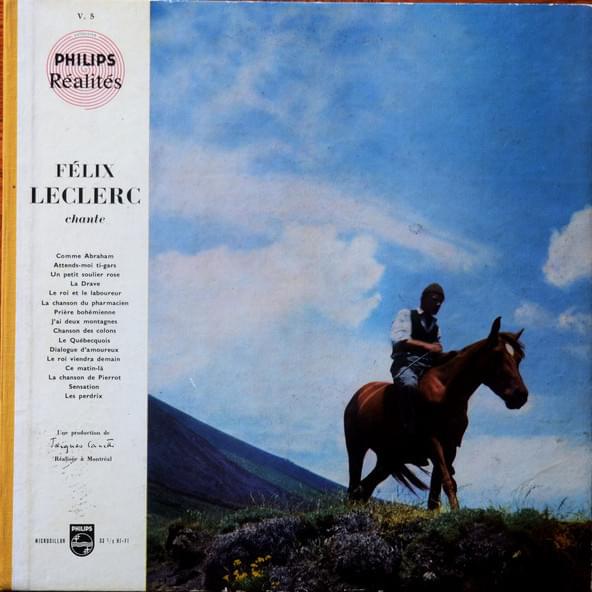
 View Artist