Song Meaning
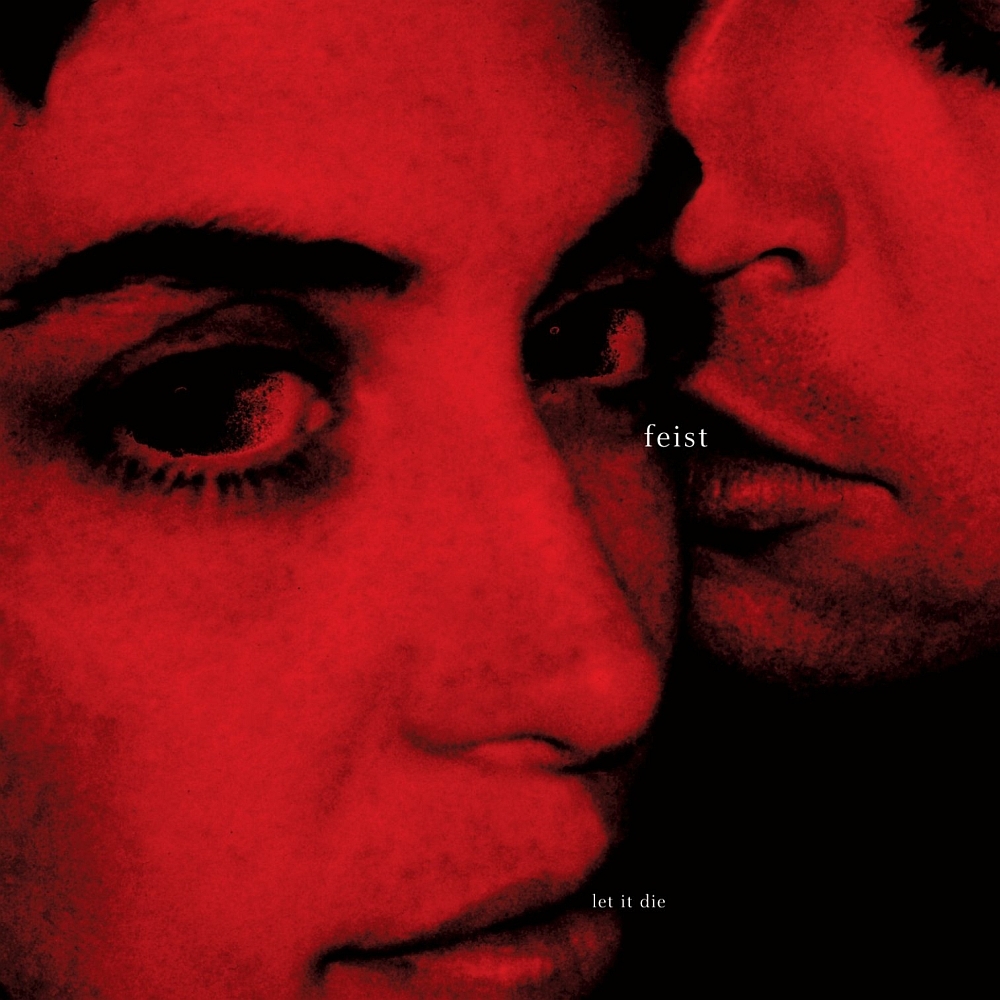
Feist's "Let It Die" isn't a typical breakup song wallowing in the aftermath; it's a preemptive strike against a love affair doomed from its inception. The song meaning resides in the uncomfortable space between initial attraction and inevitable decay, dissecting the agonizing realization that what feels like burgeoning romance is, in fact, a slow-motion train wreck. It's about acknowledging the fundamental incompatibility that poisons the well from the outset: "We don't see eye to eye / Or hear ear to ear."
The brilliance of "Let It Die" lies in its psychological acuity. Feist doesn't focus on blame or recrimination. Instead, she pinpoints the precise moment when hope curdles into despair. The repeated lines, "The saddest part of a broken heart / Isn't the ending so much as the start," highlight the core theme: the true heartbreak isn't the final separation, but the agonizing awareness of impending failure from the very beginning. It's that gut-wrenching recognition that you're losing yourself, "losing your mind for the sake of your heart," a sacrifice that ultimately yields nothing.
Feist uses sparse lyrics and a deceptively simple melody to amplify the emotional weight. The line, "Don't you wish that we could forget that kiss / And see this for what it is / That we're not in love," encapsulates the desire to erase the initial spark, to bypass the delusion of romance and confront the cold reality of incompatibility. The song becomes an anthem for emotional self-preservation, a bracing call to cut losses and escape a relationship that was never meant to be. It's a mature and honest assessment of love's potential for self-deception, urging listeners to confront the uncomfortable truth before it consumes them.
 View Artist