Song Meaning
The narrator's intense fixation on another person is painted as a source of both exhilaration and dependency. They describe this person as their "thrill" and "pill," immediately establishing a dynamic where the other individual provides a powerful, almost drug-like effect. This feeling is so potent that when the narrator "close[s] [their] eyes," they "begin to glide," suggesting an escape or transcendence fueled by this connection. The imagery of twisting "like an eel, wrapped around your heel" conveys a sense of being completely ensnared, perhaps even subservient, to the object of their affection.
This powerful emotional state, however, is met with a frustrating lack of reciprocation or even awareness from the other person. The repeated plea, "But you can't see it, you've got to believe it," highlights a desperate need for validation and recognition of the narrator's feelings. The core tension arises from this one-sided intensity, making the narrator question the reality and depth of their own experience if it's not mirrored back. They are "dying to know" if the other person feels the same, caught in a loop of longing.
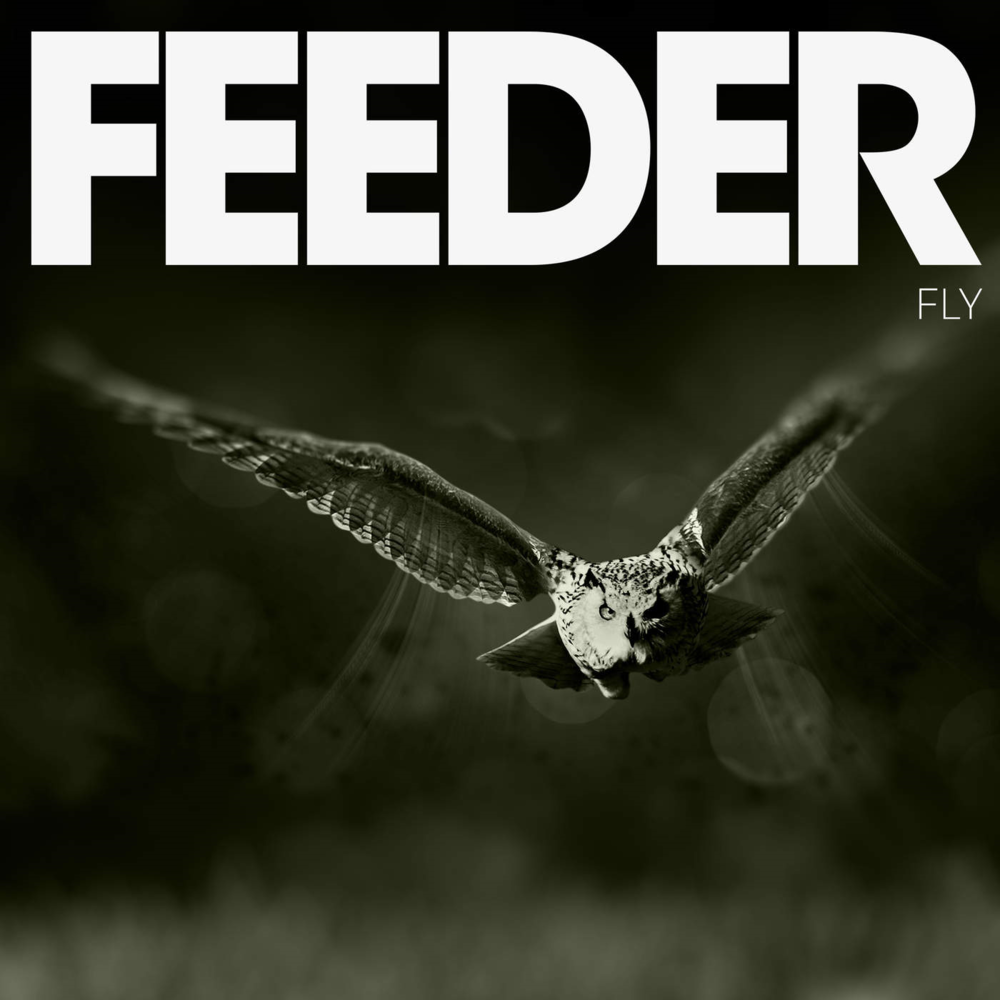
The lyrics masterfully shift between the ecstatic feeling of "fly" and the desperate plea for shared experience. The narrator's internal world is vibrant, a place where they "begin to fly" when they close their eyes, but this internal flight is contrasted with the external reality where the other person remains oblivious. The shift from "release" to "disease" in the repeated chorus is particularly striking, revealing the dark undercurrent of this obsession. What initially felt like liberation now seems to be consuming them, driving them to a point of perceived "insane" desperation.
Ultimately, the effectiveness of these lyrics lies in their raw portrayal of an overwhelming, possibly unrequited, emotional attachment. The narrator's internal experience is so vivid and consuming that it creates a disconnect with the external world, leading to a profound sense of isolation. The progression from "thrill" to "disease" captures the dangerous edge of intense infatuation, where the line between euphoric escape and destructive obsession blurs into a desperate plea for shared feeling.
 View Artist