Song Meaning
The lyrics paint a visceral picture of a relationship decaying, marked by a persistent, almost physical assault. The opening lines, "Hold down your teeth / They're chipping at me daily," immediately establish a tone of aggression and damage. The narrator feels constantly under attack, with the imagery of "chipping" suggesting a slow, relentless erosion of their well-being. This isn't a sudden break, but a daily grind that leaves them feeling worn down and vulnerable, as evidenced by the stark observation, "I watch your gums bleed."
The central tension arises from the contrast between past potential and present decay. The repeated phrase, "And it's hard to believe that once broken / Still trying to bend," speaks to a lingering hope or a stubborn refusal to fully collapse, even when the damage is severe. This resilience, however, is juxtaposed with the narrator's own plea, "Don't see a point in trying to fix me," suggesting a resignation to their broken state. The relationship is characterized by a destructive cycle, where one person's "jealousy" causes their "colours bleed," mirroring the initial bleeding gums.
The recurring motif of "Yellow and green" is particularly striking. Initially associated with the bleeding gums, it later shifts to describe the other person's "colours bleed," implying a shared, toxic palette of decay and perhaps envy. This color imagery, often linked to sickness or bruising, underscores the unhealthy nature of their interactions. The lines "Live life on a lead, you're choking / Do you think that you're still free?" directly challenge the other person's perception of their own agency within this destructive dynamic, highlighting a mutual entrapment.
Ultimately, these lyrics resonate because of their raw, unflinching portrayal of a relationship's slow demise. The vivid, almost grotesque imagery of physical decay – chipping teeth, bleeding gums, choking – serves as a powerful metaphor for emotional and relational rot. The narrator's weary observation and the pointed questions directed at the other person create a sense of shared, inescapable pain, making the feeling of being "discarded and left behind" palpable and deeply affecting.
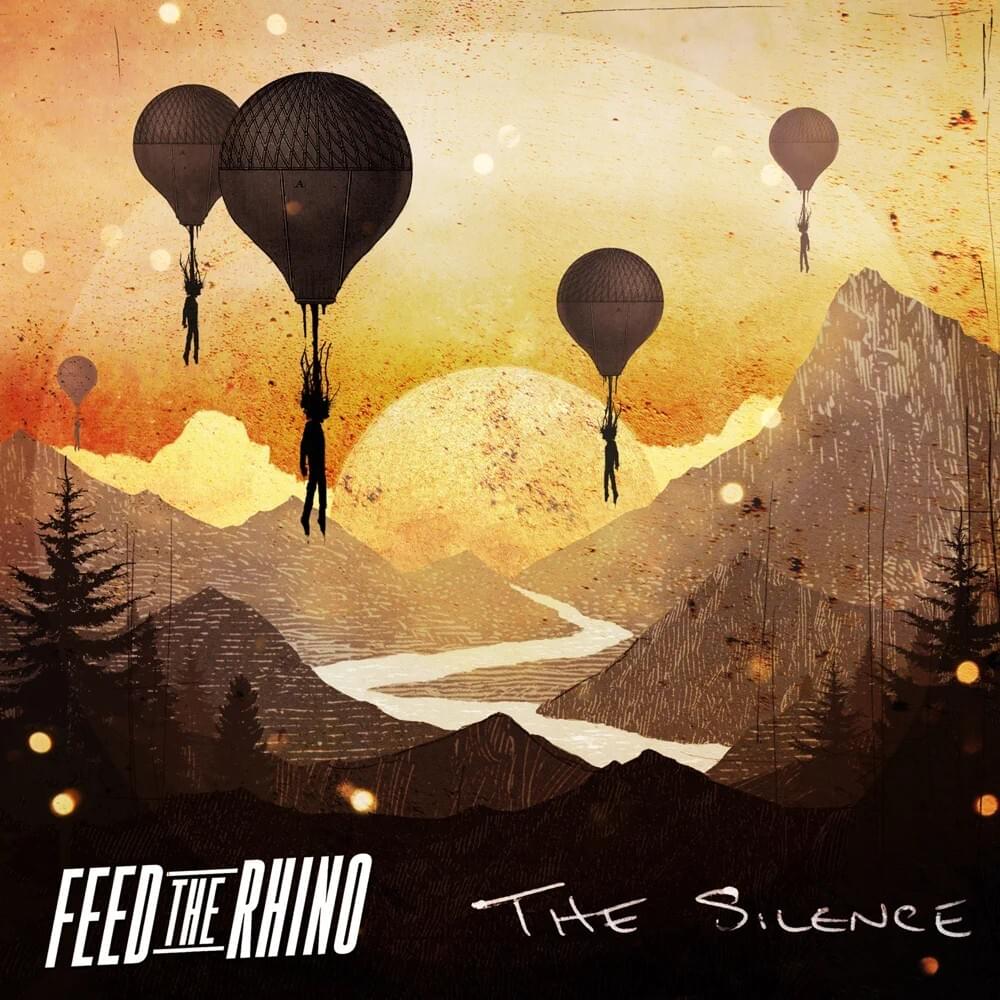
 View Artist