Song Meaning
The lyrics paint a picture of an unhealthy, almost parasitic relationship that the narrator can't escape. The proximity, "only down the street," is less about physical distance and more about an inescapable mental or emotional closeness, a feeling of being unable to "keep him out of me." This presence is pervasive, something the narrator can "see it in everything," suggesting a constant, draining influence. The repeated lines about "stretching out again" and "putting this to bed" hint at a cycle of engagement and attempted disengagement, a struggle against this persistent connection that feels like a "sickness."
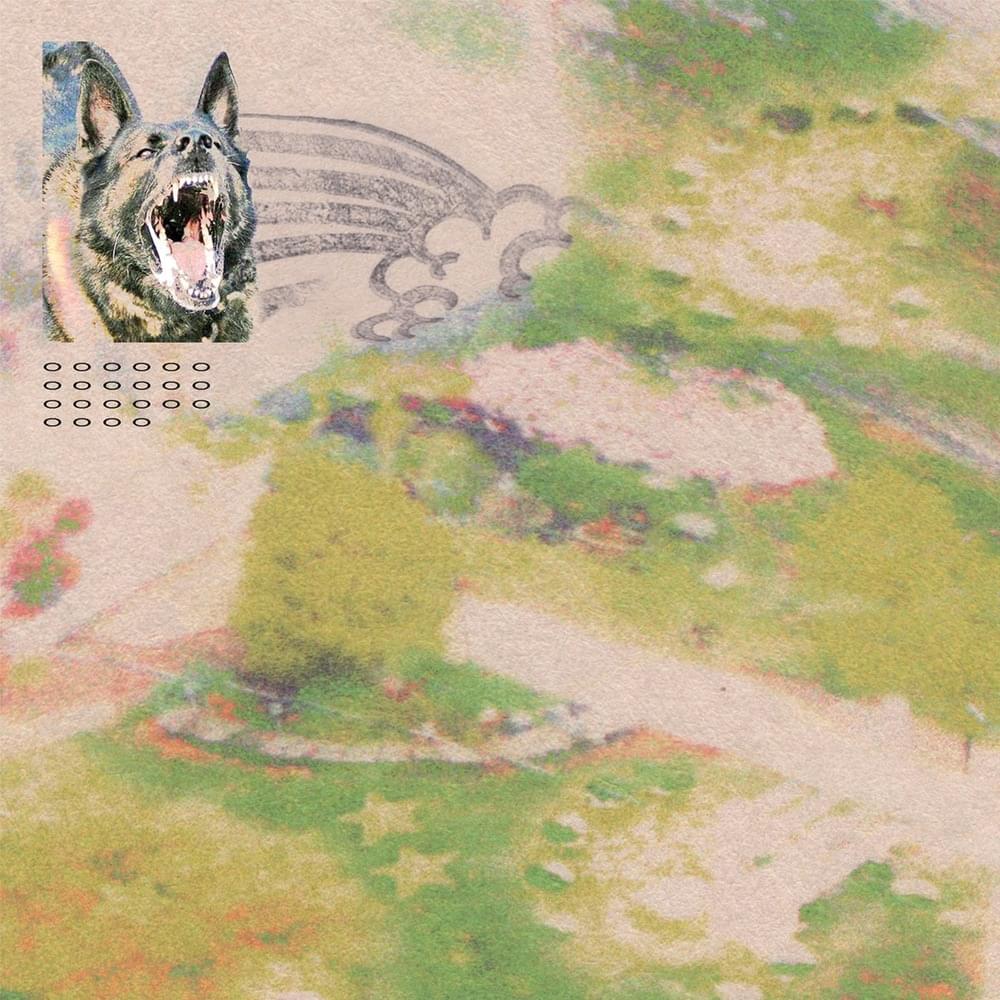
The chorus delivers a jolt of visceral, unsettling imagery that amplifies the feeling of decay and discomfort. "Too sweet, holes in my teeth" suggests an overindulgence that has become damaging, a sweetness that corrodes. This is followed by the stark, disturbing image of a "dead dog, passenger locked," evoking a sense of something lifeless and trapped, perhaps representing the relationship itself or a part of the narrator that has died within it. The oppressive heat, "it's too hot," adds to the suffocating atmosphere, making the question "Do you think I'm stomaching a good thing?" drip with irony and despair.
The most striking aspect of the writing is its ability to juxtapose mundane proximity with profound psychological distress. The simple statement "I'm only down the street" becomes loaded with the weight of an inescapable entanglement. The contrast between the seemingly simple invitation to "leave" and the internal feeling of being unable to "keep him out of me" highlights a core tension: the external world offers an escape, but the internal reality is one of being consumed. This internal conflict is further emphasized by the narrator's own description of the situation as a "sickness" and the chorus's graphic metaphors for decay and entrapment.
Ultimately, these lyrics resonate because they articulate a feeling of being trapped in something that is both alluring and destructive. The unsettling sweetness and the imagery of decay create a potent, uncomfortable mood that captures the insidious nature of a relationship that has gone sour but remains stubbornly present. The writing doesn't offer easy answers, instead leaving the listener with the lingering, disquieting question of whether this suffocating experience can possibly be considered "a good thing."
 View Artist