Song Meaning
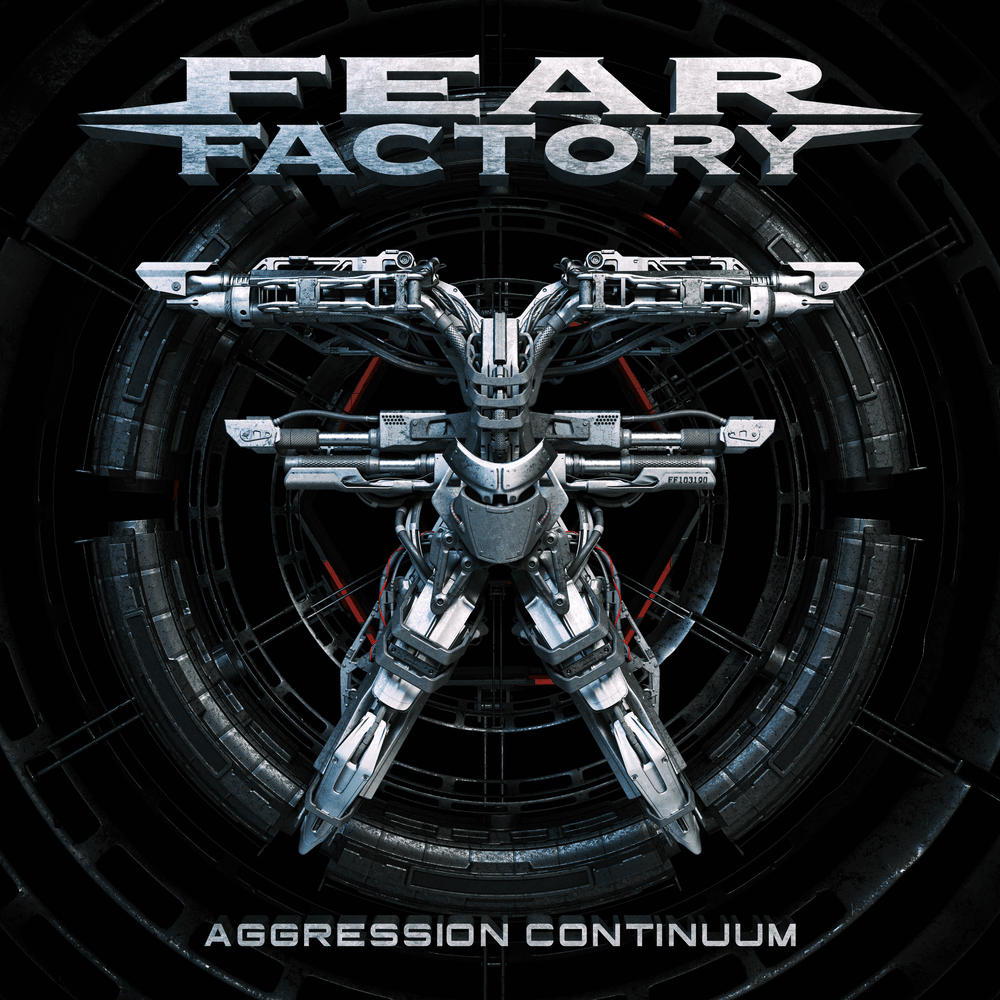
The lyrics paint a picture of a being or entity embracing a primal, almost mechanical nature, identifying its own powerful, unyielding urges as an "act of nature." This force is presented as an inescapable, perfect machine, directly confronting its audience with a stark declaration: "I am the face of your damnation." The tone is confrontational, acknowledging an inherent, perhaps destructive, power that is both undeniable and self-perpetuating.
The central tension arises from the narrator's plea for acceptance, "I am one of you / Take me as I am," juxtaposed with the accusation that the audience is responsible for its creation: "You made me as I am." This creates a powerful push-and-pull, suggesting that the very nature the narrator embodies is a direct consequence of the audience's actions or beliefs. The narrator claims a "pure example of humanity," yet simultaneously criticizes the audience's path to "salvation" as leading to their own "destruction."
The repeated assertion of "Purity has been reborn" in the bridge, linked to "Hatred for your creation" and "Vengeance for your religion," is particularly striking. It redefines purity not as innocence, but as a distilled, potent form of negative emotion and retribution. This twisted concept of purity suggests a transformation born from perceived wrongs, a defiant rebirth fueled by resentment towards a creator or a system of belief.
Ultimately, these lyrics resonate because they articulate a raw, unapologetic embrace of a perceived self, even when that self is labeled as damnation. The defiance in claiming responsibility for one's nature, while simultaneously blaming others for it, creates a compelling, unsettling portrait of identity forged in conflict and accusation. The insistent repetition of "I am one of you" transforms from a plea into a powerful, almost threatening, declaration of shared, inescapable reality.
 View Artist