Song Meaning
The narrator grapples with the idea that genuine love requires suffering, a concept alien to their own experience. They recall a childhood filled with affection, describing love as a gentle stream that nurtured them from birth. This upbringing contrasts sharply with the chorus's central question: "Dis moi s'il faut souffrir, souffrir pour lui dire" (Tell me if I must suffer, suffer to tell him). The lyrics suggest a deep-seated belief that expressing profound love necessitates enduring hardship, a hurdle the narrator hasn't faced.
The core tension lies in this perceived prerequisite for expressing love. The narrator's own love, described as flowing "sur ma peau" (on my skin) and present since infancy, feels pure and effortless, yet they question its validity or completeness because it lacks the element of pain. This creates an internal conflict: is their love less real, less worthy of expression, because it hasn't been tested by suffering?
The repeated phrase "Tout ça ca ne se dit pas, ça ne se dit qu'à demi mot" (All this isn't said, it's only said in half-words) highlights the difficulty of articulating deep emotions, even for someone who has known love. This echoes the chorus's dilemma, where the act of "telling" is directly linked to suffering. The narrator seems to be caught between their lived experience of gentle, abundant love and a societal or internalized notion that true love must be earned through pain.
This lyrical exploration is effective because it taps into a universal anxiety about the nature of love and expression. The narrator's earnest questioning, their innocent recall of a loving past contrasted with the chorus's anguished plea, makes their internal struggle palpable. The repetition of the central question emphasizes the weight of this doubt, leaving the listener pondering whether their own expressions of love are sufficient, or if they too are missing a crucial, painful element.
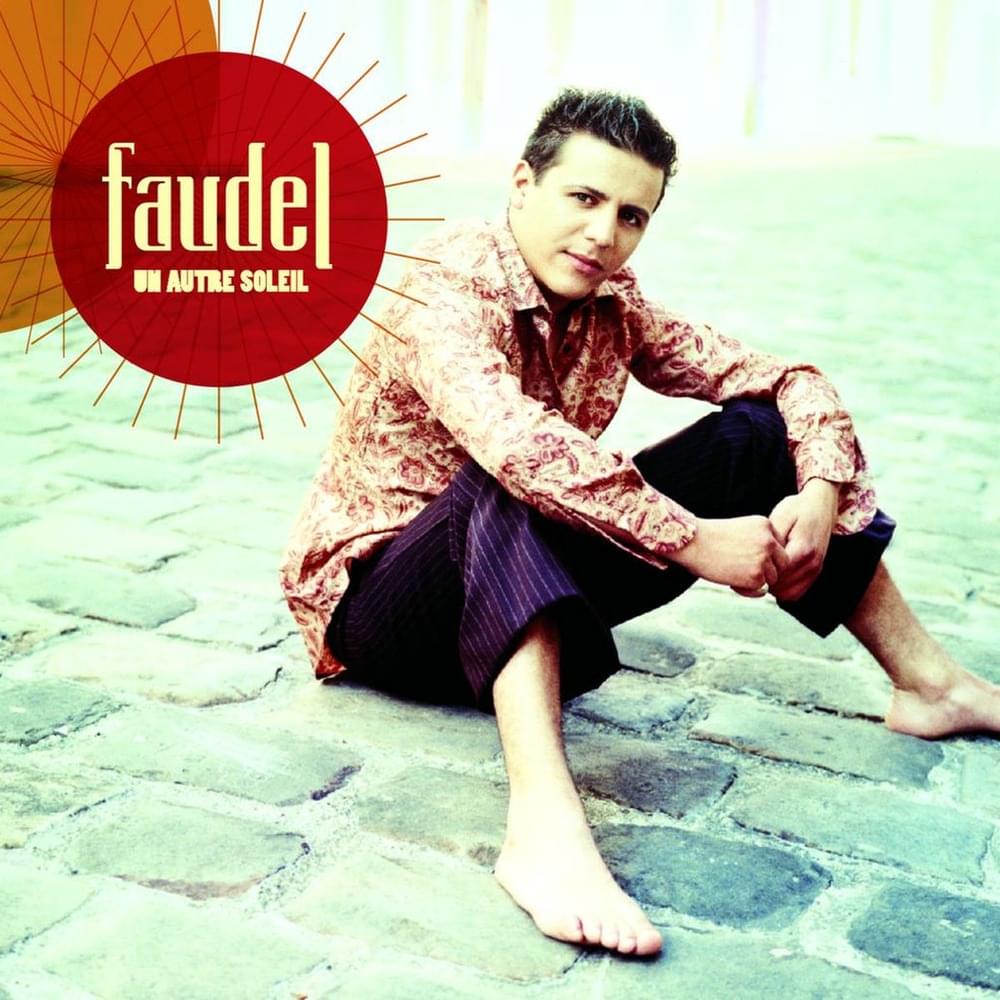
 View Artist