Song Meaning
This tune lays bare a stark financial reality, but frames it with an almost defiant romanticism. The narrator’s got zilch, nada, except for affection. It’s a confession, sure, but also a bold declaration: love is the only currency they possess in abundance. They acknowledge the material desires – the fancy jewelry, the 'swell' look – but immediately pivot back to their singular offering. It’s a classic case of 'it's the thought that counts,' albeit a thought that can’t pay the rent.
The central tension here is the chasm between material aspiration and emotional wealth. The lyrics explicitly contrast what the narrator *can't* provide – the expensive, non-Woolworth items – with what they *can*: love. This isn't a subtle hint; it's a direct admission of poverty juxtaposed with a claim of immense emotional riches. The hope for future 'happiness' and 'all those things you've always pined for' hinges entirely on this love, suggesting it's meant to be a substitute for tangible goods.
The brilliance lies in the almost playful framing of this limitation. "Dream awhile, scheme awhile" suggests a shared effort towards a better future, but the immediate follow-up, "We're sure to find / Happiness," feels more like wishful thinking than a concrete plan. The specific mention of "Woolworth doesn't sell" is a masterstroke, grounding the fantasy in a relatable, albeit slightly dated, economic context. It highlights the unattainable nature of the desired luxury items while simultaneously emphasizing the narrator's limited means.
Ultimately, the song’s effectiveness comes from its disarming honesty and the sheer audacity of its premise. It’s a love song that’s also a stark economic statement. The narrator isn't apologizing for their lack of material wealth; they're presenting their love as a sufficient, even abundant, alternative. This creates a unique emotional resonance, forcing the listener to consider the value of affection when faced with undeniable financial constraints.
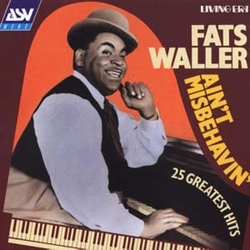
 View Artist