Song Meaning
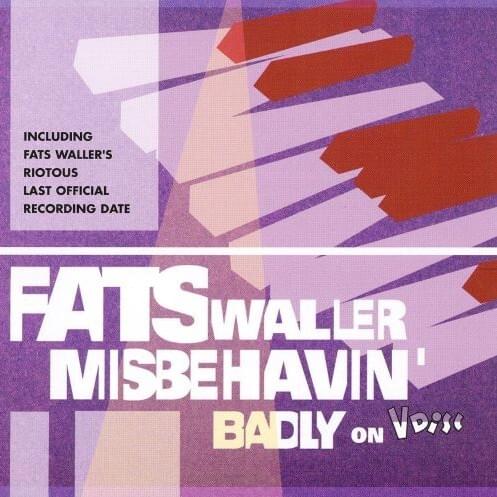
{"song_id": 11915548, "meaning": "Fats Waller's \"Cash for Your Trash\" isn't just a jaunty swing tune; it's a wartime call to action cleverly disguised as a financial incentive. The surface message is simple: scrounge up scrap metal, paper, and household items to sell for cash. But scratch beneath the surface, and the song's meaning reveals a deeper patriotic imperative during wartime. The lyrics subtly urge listeners to contribute to the war effort by recycling materials vital for military production. Waller's genius lies in framing this civic duty not as a sacrifice but as a profitable venture. This psychological framing—appealing to self-interest while promoting collective good—is a particularly effective form of persuasion. The repeated refrain, \"Don't give it away, get some cash for your trash,\" underscores this dual motivation. It’s not just about patriotism; it’s about putting some folding money in your pocket while doing your part. \n\nBeyond the overt message of wartime recycling, \"Cash for Your Trash\" also hints at the economic realities of the era. The promise of 'cash' suggests a world where disposable income might be scarce, and even small financial gains are significant. The line \"Save up high just like a high skyscraper\" reflects the outsized ambitions of the time. The instrumental break provides a moment of levity, a reminder that even amidst serious times, joy and music persist. The playful, almost theatrical delivery by Waller further reinforces this sense of optimistic resilience. \n\nUltimately, the song's meaning is a blend of practical encouragement and subtle propaganda. It's a testament to Waller's ability to transform a potentially dry subject—wartime conservation—into an engaging and memorable musical experience. The inclusion of "In between we'll do some lovin', wide handsome turtle dovin'" is also a canny distraction, reminding the listener that even during wartime, love and romance provide essential emotional sustenance. \"Cash for Your Trash\" reflects a specific historical context, but it also resonates with timeless themes of community, resourcefulness, and the power of music to inspire action. It’s a reminder that even the smallest contributions, when multiplied across a society, can make a significant difference."}
 View Artist