Song Meaning
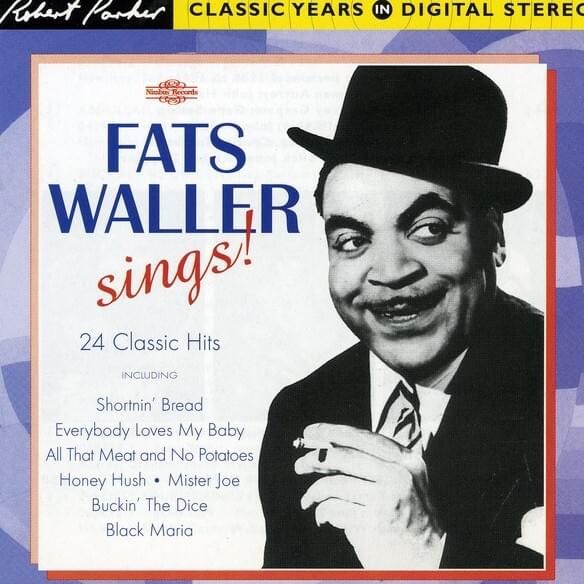
Fats Waller's "All That Meat and No Potatoes" isn't just a quirky tune about a disappointing dinner; it's a sly commentary on desire and unmet expectations. On the surface, the lyrics depict a man frustrated by a meal consisting solely of meat, lacking the grounding presence of potatoes. This culinary imbalance, however, acts as a metaphor for a deeper longing. The 'meat' represents something substantial and satisfying, while the absence of 'potatoes' suggests a crucial element is missing, rendering the experience incomplete and ultimately unsatisfying. Waller's repeated refrain, "All that meat and no potatoes / Just ain't right, like green tomatoes," underscores this sense of fundamental wrongness. The mention of 'green tomatoes' is key, symbolizing something unripe and not ready, further emphasizing the theme of anticipation and delayed gratification. It’s about being teased with abundance, only to find a crucial piece of the puzzle is absent.
Beneath the hunger-fueled surface, the song hints at romantic or sexual frustration. The lines “Here I'm waiting, palpitatin' / For all that meat and no potatoes" suggest a heightened state of anticipation, typical of romantic yearning. The 'meat' could symbolize physical attraction or sexual availability, while the missing 'potatoes' represent emotional connection, commitment, or other crucial aspects of a fulfilling relationship. The narrator isn't just hungry for food; he's hungry for a complete experience, a balanced dynamic. The almost desperate tone, particularly in the lines "Woman, I'm steamin'. I'm really screamin' / All that meat and no potatoes," reveals a deeper dissatisfaction that transcends mere culinary preferences.
Ultimately, "All That Meat and No Potatoes" functions as a clever double entendre. It's a humorous lament about a poorly constructed meal, yes, but it's also a witty exploration of desire, disappointment, and the yearning for completeness in matters of the heart. Fats Waller, with his signature blend of playful energy and sly innuendo, uses the simple image of an unbalanced plate to paint a portrait of human longing. The final, almost plaintive question, "Where is my fry and ham bone? Where is it?" only underlines the sense of something vital being lost or withheld, leaving the listener to ponder the true nature of the narrator’s unsatisfied appetite.
 View Artist