Song Meaning
The narrator is stuck in a loop of unanswered calls and evasive tactics from their love interest. The opening lines immediately establish a sense of desperate, one-sided communication, with the repeated "calling" met by a "won't answer." The mention of "folks say you're not at home" adds a layer of suspicion, suggesting a deliberate avoidance rather than simple unavailability. This sets a tone of anxious waiting and growing frustration.
The central tension lies in the narrator's unwavering declaration of love versus the partner's inexplicable coldness. The repeated phrase "You know it's true that I love you" is a plea for acknowledgment, directly contrasting with the partner's actions. The drawn-out "do, do, do" at the end of the question "How come you treat me like you do" amplifies the narrator's confusion and the painful, drawn-out nature of this emotional stalemate.
The lyrics cleverly use repetition to underscore the narrator's fixation and the cyclical nature of their distress. The opening and closing stanzas mirror each other, reinforcing the feeling of being trapped. The simple, almost childlike repetition of "do, do, do" also highlights a raw, unvarnished emotional state, stripping away any pretense and leaving only the core pain of being rejected without explanation.
This raw emotional honesty, coupled with the stark portrayal of unanswered communication, makes the lyrics hit hard. The narrator's vulnerability is palpable as they grapple with a love that seems to be met with silence and evasion. The lingering question "Baby, maybe you're gonna miss me too" offers a sliver of hope, but it's overshadowed by the immediate reality of the unanswered phone, leaving the listener with a profound sense of unresolved longing.
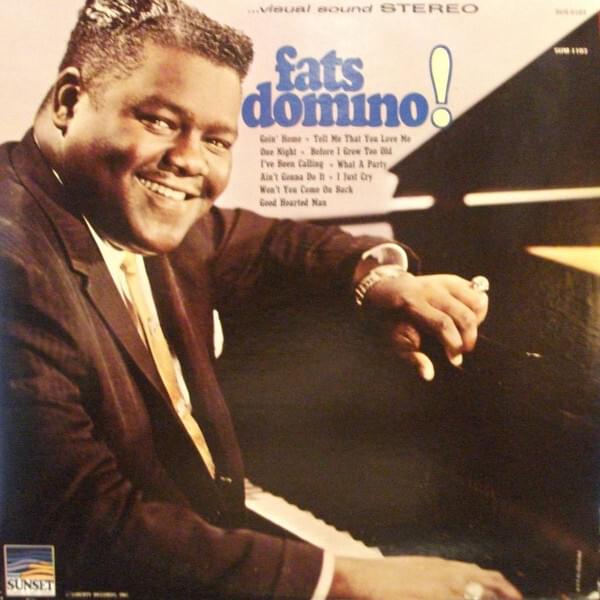
 View Artist