Song Meaning
This song paints a picture of immediate, almost childlike infatuation. The narrator is captivated by simple observations – the way someone walks and talks – and expresses a desire for connection, specifically wanting a confidante for his troubles. There's a straightforwardness to his plea, an earnestness that feels both sweet and a little naive. He reassures the object of his affection, urging them not to be afraid and to trust his words.
The central tension lies in the narrator's earnest desire for a specific kind of companionship versus the potential apprehension of the person he's addressing. He repeatedly states, "I want a girl like you / To tell my troubles to," highlighting a need for emotional support. Yet, he also has to say, "Don't you be afraid / You heard what I said," suggesting a possible hesitation or fear from the other person that he's trying to overcome.
The recurring refrain, "Let the four winds blow / From the east to the west / I'll love you the best," acts as a powerful, albeit simple, declaration of unwavering commitment. This imagery of the winds, covering all directions, emphasizes the vastness and totality of his intended affection. It’s a promise that his love is boundless and will endure any external force or distance, aiming to provide a sense of security and steadfastness.
What makes these lyrics resonate is their unvarnished sincerity. The repetition of phrases like "I like the way you walk" and the core promise about the winds creates a hypnotic, almost chant-like effect. It’s this directness and the steady, reassuring rhythm that underscore the narrator's singular focus and his hopeful, determined pursuit of a deep connection.
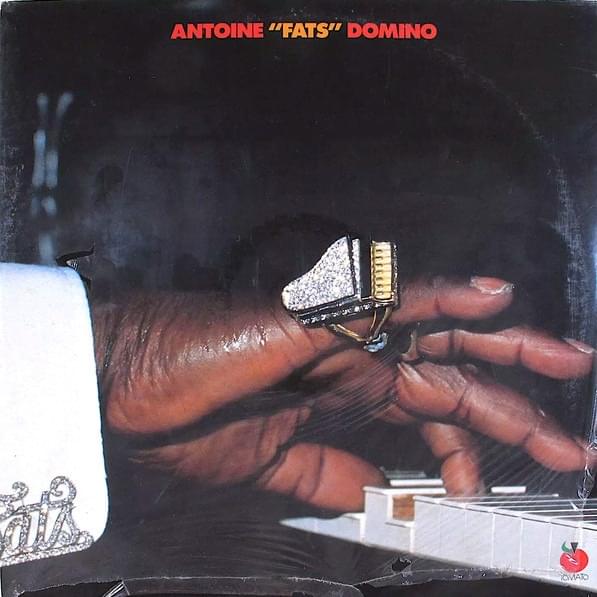
 View Artist