Song Meaning
The lyrics confront the brutal practice of female genital mutilation, directly pleading for it to stop. The opening lines, "Ù y'à tìgɛ / Farikolo min be n kɛ mùso ye, ù y'à bɔ n na," translate to "They are doing it / The female genital mutilation that was done to me, they took it from me." This immediately establishes a tone of pain and violation, a direct address to those perpetrating the act, urging them to cease. The repeated plea, "Aw kàna à tìgɛ !" (Don't do it!), underscores the urgency and desperation behind the message.
The core of the song lies in the devastating consequences of this practice. The narrator describes how "i b'à ka cɛ̀ko gɛ̀lɛya à bolo" (you make their sexual life difficult) and "i b'à ka bàna misɛn caya" (you increase their suffering/wounds). This highlights the physical and emotional toll, framing it not as a cultural rite but as a source of lifelong hardship and pain. The repetition of these lines emphasizes the cyclical and enduring nature of the suffering inflicted.
A powerful moment arrives with the direct address to "mama": "Ma k'i kàna n bolokò, kàna n bolokò - à b'à dimin na." This translates to "Don't do it to me, don't do it to me - it causes me pain." The use of "mama" suggests a betrayal by a maternal figure, someone expected to protect but who instead participates in or allows the harm. The phrase "à b'à dimin na" (it causes me pain) is repeated, acting as a refrain of agony, grounding the abstract plea in visceral, personal suffering.
The lyrics culminate in a call for collective action and reflection: "Farafinna mùsow ɲɛnina / Farafinna mùsow tɔɔrɔla" (African women have suffered / African women have been tormented). The narrator urges, "An ka an ka kokɔrɔw lajɛ / Ni min man ɲì, an k'ò bɔ an bolo la" (Let us look at our traditions / If something is not good, let us remove it from our hands). This is a profound call to re-examine cultural practices, to discard those that cause harm, and to build a future free from such torment. The song’s effectiveness stems from its raw, unvarnished depiction of pain and its urgent, direct plea for change, transforming personal suffering into a powerful anthem for liberation.
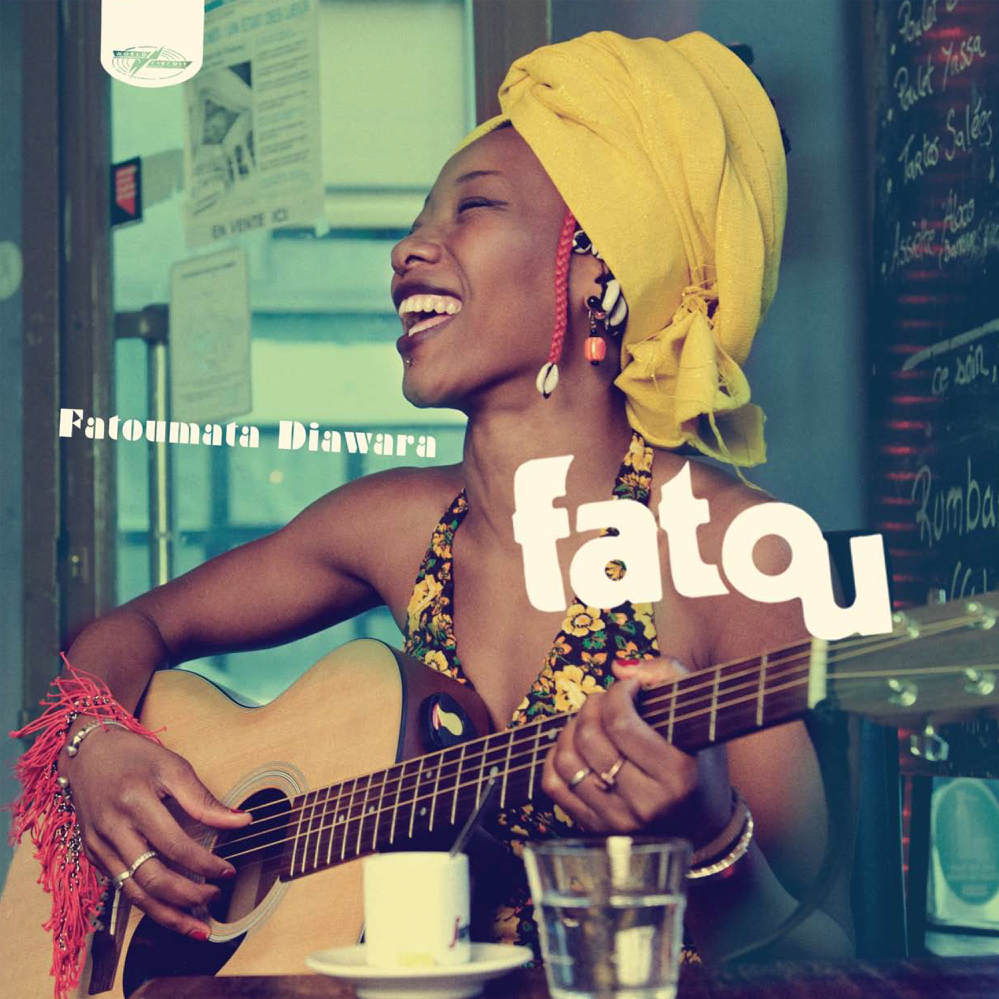
 View Artist