Song Meaning
The lyrics grapple with a profound existential question: why must paradise be reserved for the afterlife? The narrator expresses a genuine desire to understand this perceived cosmic injustice, directly asking if a divine being might bear responsibility for this arrangement. This sets up a core tension between the promise of eternal reward and the stark realities of earthly inequality.
The central conflict arises from the visible disparity between those who live in luxury and those who struggle for basic sustenance. The narrator observes that the less fortunate are often the ones who are told to wait for a better existence beyond death. This observation fuels a skepticism towards established religious structures, noting the proliferation of temples, mosques, and churches, yet a persistent absence of visible divinity. The narrator questions the efficacy of prayer and kneeling, admitting a lack of discipline and admitting to having "other interests," suggesting a disconnect from traditional devotional practices.
The most striking aspect of the writing is the narrator's bold redefinition of spiritual fulfillment. Instead of accepting deferred gratification, they explicitly state their goal: "Ich hätte bitte gerne möglichst bald den Himmel auf Erden" – a direct demand for earthly happiness. This is a powerful rejection of the idea that suffering is a prerequisite for salvation, instead advocating for the immediate realization of a heavenly state right here and now. The lyrics concisely summarize this critique of religion as a promise of "life after death" for those who endure hardship, framing it as a eleven-word message.
This directness and the refusal to accept platitudes make the lyrics resonate. The narrator's honest admission of personal shortcomings ("fehlt mir die Disziplin") alongside their radical demand for immediate earthly paradise creates a compelling, relatable voice. It's this blend of vulnerability and defiant aspiration that makes the plea for a "heaven on earth" feel not just like a complaint, but a powerful, personal manifesto.
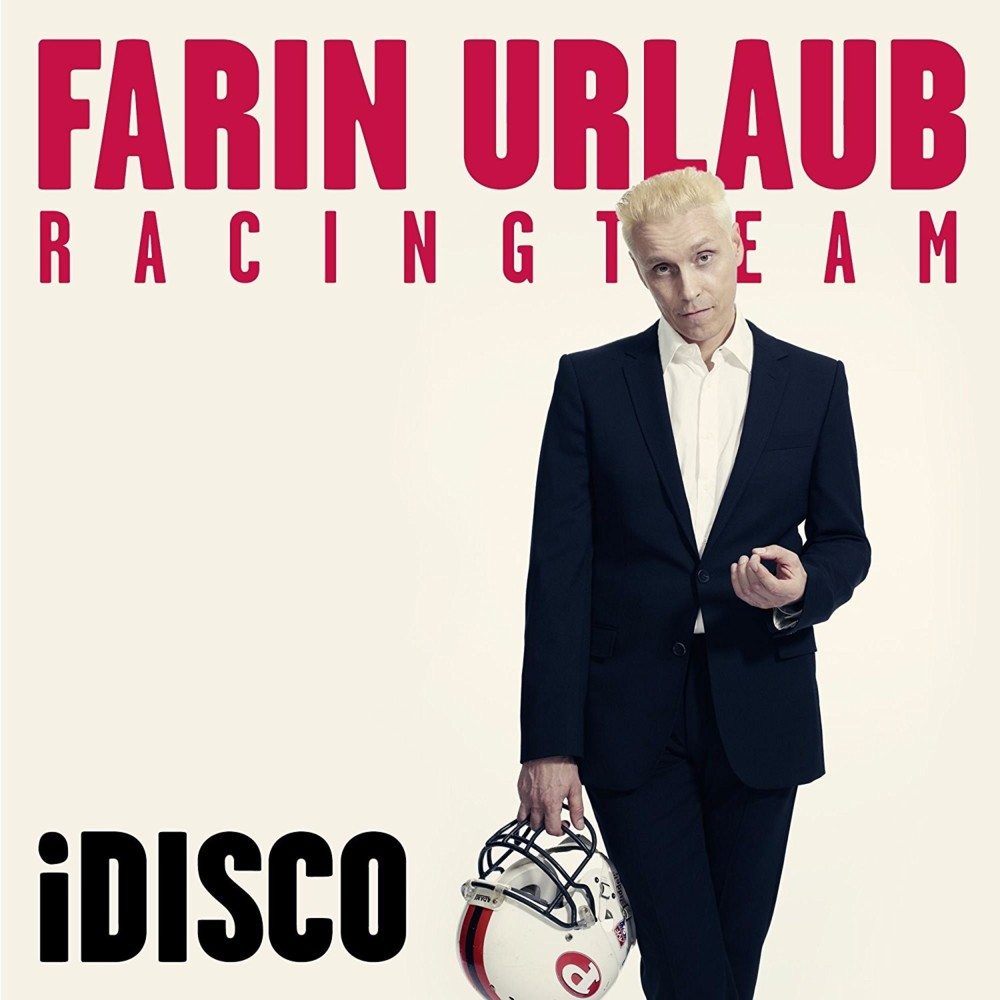
 View Artist