Song Meaning
The lyrics paint a picture of persistent hope against a backdrop of encroaching weariness. The narrator repeatedly asserts a belief that circumstances will improve, that "everything will even out" and "it will be different." This isn't a passive wish, but an active declaration of faith, a conviction that a powerful change is coming from within, a "strength will explode in us." The immediate emotional tone is one of determined optimism, a refusal to succumb to despair even as the present feels overwhelming.
This core tension arises from the contrast between the narrator's internal conviction and the external reality they perceive. They acknowledge "heated emotions," "awakened aggressions," and "hasty hopes" that are difficult to control, suggesting a volatile inner state. Yet, the dominant refrain is a powerful belief in a future transformation, one that will arrive "without a scream of despair, a bloody scenery." This suggests a desire for a peaceful, internal resolution rather than a violent upheaval.
The most striking craft element is the juxtaposition of grand, almost cosmic hope with a stark, personal denial of traditional salvation. The repeated phrase "This is all my faith" grounds the immense expectation in a finite, personal belief system. The final lines, "And I won't go to heaven anyway," are particularly arresting. They imply that the narrator's faith isn't tied to an afterlife or divine reward, but to an earthly, immediate change, a personal vindication that transcends religious promises.
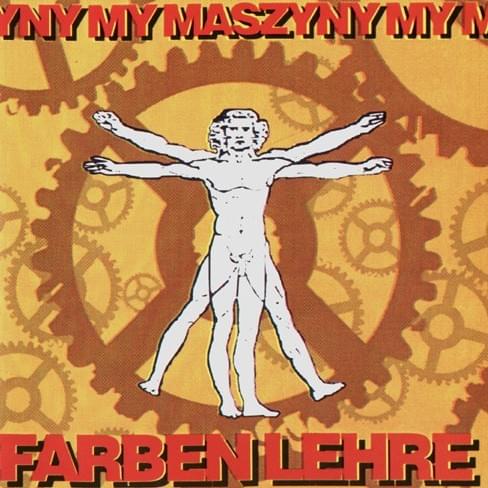
This focus on personal conviction and earthly change is what makes the lyrics resonate. The narrator isn't waiting for external forces to save them; their faith is the engine of their hope. The acknowledgment of the "machine of grayness" slowly consuming them, juxtaposed with the unwavering belief in a future moment of clarity or awakening, creates a powerful emotional arc. It's a testament to the human spirit's capacity to hold onto hope, even when the present feels like it's fading into darkness.
 View Artist