Song Meaning
The lyrics paint a stark picture of monotonous, repetitive labor, questioning its necessity with the repeated "Praca musi być – a może nie?" (Work must be – or maybe not?). The scene is set in a factory or similar environment where shifts blur into one another, marked by the relentless passage of "godzina po godzinie" (hour after hour). The dominant emotional tone is one of weary resignation, punctuated by the crushing refrain, "I nic... się nie dzieje" (And nothing... is happening).
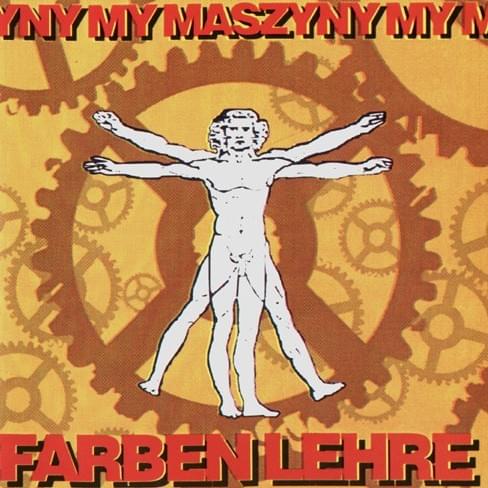
The central tension arises from the conflict between the perceived obligation to work and the utter lack of fulfillment or progress it yields. This is amplified by the lines "Likwidacja przypadkowych zdarzeń / Wszystko pod kontrolą maszyn" (Elimination of random events / Everything under the control of machines), suggesting a sterile, predictable existence where even spontaneity is suppressed. The repetition of "Maszyny, zegary, fabryki i programy" (Machines, clocks, factories, and programs) further emphasizes this mechanical, dehumanizing environment.
The most striking aspect is how the lyrics connect this external control to internal suppression. The narrator states, "Nie można żyć dla idei i marzeń / Nie można, bo władza głodem ukarze" (One cannot live for ideas and dreams / One cannot, because power will punish with hunger). This reveals the true cost of this labor: the death of aspiration and the fear that drives compliance, making the "nothing is happening" refrain not just about boredom, but about a profound spiritual and creative stagnation.
This writing is effective because it uses simple, direct language to convey a powerful sense of existential dread. The stark contrast between the implied effort of work and the absolute lack of outcome ("I nic... się nie dzieje") creates a palpable feeling of futility. The lyrics suggest that the true tragedy isn't just the labor itself, but the way it erodes the possibility of a meaningful life, leaving only the cold, unfeeling rhythm of the machines.
 View Artist