Song Meaning
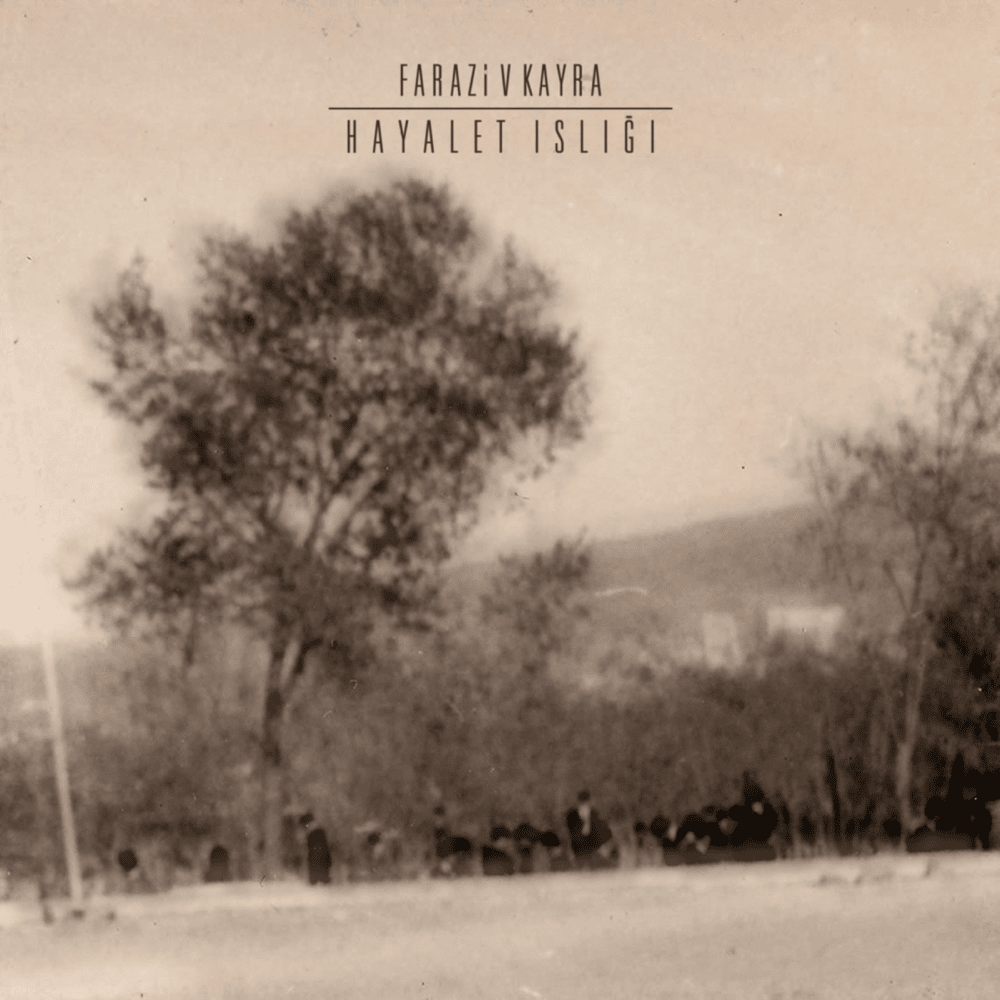
The narrator confesses a disturbing premonition tied to photography: they see death in the faces of people whose pictures they are about to take. This isn't a casual observation; it's a profound, isolating curse that prevents them from looking at photos of living people. The initial exchange with another voice, marked by disbelief and a plea for secrecy, establishes the narrator's profound distress and the unusual nature of their claim. They are burdened by a vision that others dismiss as madness.
The core of the lyrics lies in this chilling connection between capturing an image and predicting an imminent demise. The narrator recounts a specific, harrowing incident: taking a man's photograph, feeling a sudden dread, and then witnessing that same man die of a heart attack immediately after leaving. This event solidifies the narrator's belief, transforming a strange feeling into a terrifying certainty that dictates their present inability to engage with photography of the living.
The most striking aspect of the craft is the stark, almost literal interpretation of a visual medium. Photography, typically a way to preserve life and memory, becomes for the narrator a harbinger of death. The contrast between the act of taking a photo – meant to freeze a moment in time – and the immediate cessation of that life is a powerful, dark irony. The repeated phrase "ölümü görüyorum" (I see death) hammers home the inescapable nature of this perception.
This lyrical construction is effective because it grounds an extraordinary claim in a concrete, albeit tragic, anecdote. The narrator's plea for secrecy and the mention of doctors' disbelief highlight their isolation, making the listener privy to a secret horror. The final statement, "Artık yaşayan hiçbi' kimsenin fotoğrafına bakamıyorum" (I can no longer look at the photograph of any living person), leaves the listener with the weight of this inescapable, morbid gift.
 View Artist