Song Meaning
These lyrics open with a startling image: a dream where a lost person is "alive, really alive." The narrator sees their eyes, not just open, but "engaged." This vivid dreamscape immediately establishes a profound longing, setting the stage for a world where vitality exists only after dark.
The central tension here hinges on the repeated mantra: "In the daytime we're dead, but at night we live." This stark contrast positions the dream world as a sanctuary, a vibrant counterpoint to a waking reality described as lifeless. The dream offers a reunion with "families" and "friends," a shared space of singing and smiling where "time is a secret." Crucially, the lyrics explicitly deny a past trauma: "There is no car crash, there is no blood," suggesting the dream is a desperate escape from a specific, painful loss.
The craft here is particularly effective through its use of repetition and specific denials. The recurring phrase about living at night acts as a comforting, almost hypnotic refrain, pulling the listener deeper into the dream's logic. The detail of "engaged" eyes, rather than merely open, conveys a deep, active connection missing from reality. The blunt declaration of "no car crash, no blood" is a gut punch, revealing the raw wound the dream attempts to heal by simply erasing the event.
Ultimately, these lyrics hit hard because they capture the human desire to rewrite painful realities through the power of imagination. The narrator's internal conflict – "I can't believe this, but maybe I should" – perfectly encapsulates the bittersweet struggle of clinging to a comforting illusion. It's a poignant exploration of how, for some, true living can only happen in the quiet, unguarded moments of sleep, where loss is momentarily suspended.
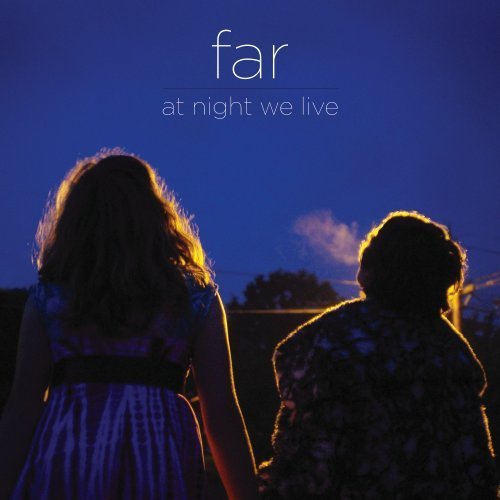
 View Artist