Song Meaning
The lyrics paint a picture of a relationship that began with a sense of vulnerability and boundary-breaking, but quickly soured into regret. The opening lines suggest an initial intimacy, where one person felt exposed and the other seemed to exploit that openness. The immediate shift to "Myself, I wished I'd never come home" and the accusatory "Kicked in and sure you wanted it" reveals a profound sense of being violated or trapped, leading to a desire to undo the entire encounter. The repeated "You wish you'd never gone or thought of it" emphasizes a shared, or at least acknowledged, regret over the situation.
The core tension lies in the aftermath of this regretted encounter, characterized by profound isolation and self-recrimination. The narrator finds themselves "alone / Crazy and alone again," a state they desperately wish to escape. This loneliness is amplified by a paralyzing fear, articulated as "You wish you weren't so afraid," suggesting a deep-seated insecurity that prevents them from moving forward or seeking genuine connection. There's a yearning for external intervention, a hope that "something would come along / To make you want to," implying a loss of internal motivation or desire.
The most striking aspect of the writing is the stark contrast between the initial perceived intimacy and the subsequent desolation. The phrase "breaking down my boundaries" initially sounds like a positive step towards connection, but it's immediately followed by a wish of never having "come home," twisting the idea of shared space into one of invasion. The later plea, "find me something you would never know / Wade into my water / Find me something good," shifts the perspective, perhaps to a new attempt at connection or a desperate search for solace, but it carries the heavy weight of past transgressions and a deep-seated fear of repeating mistakes.
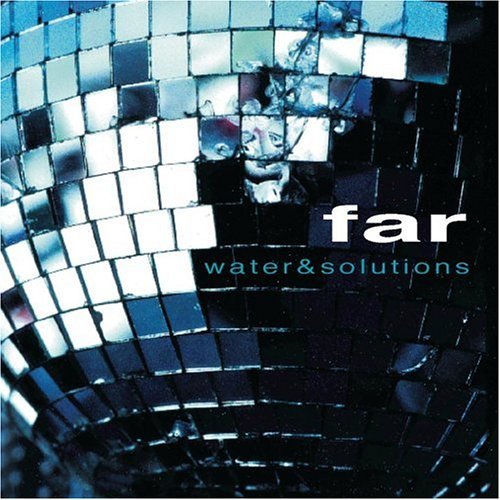
 View Artist