Song Meaning
The lyrics paint a picture of societal pressure and conformity, contrasting idealized notions with harsh realities. The opening lines immediately set a tone of external judgment, with "expressions on their faces" acting as "reactions to the situation." This suggests a world where individuals are observed and critiqued based on their circumstances, rather than their inner selves. The narrator feels trapped, urging to "resist the machine" as a desperate act of self-preservation, clinging to the ability to "breathe."
The central tension arises from the disconnect between comforting platitudes and the brutal nature of existence. Biblical imagery like "the Lion and the Lamb" is invoked, but immediately undercut with "only in real life," highlighting that such peaceful coexistence is a fantasy. The lyrics emphasize that in reality, "hunter and prey" don't share space, a stark metaphor for the inherent conflicts and dangers of the world. This disillusionment is amplified by the feeling of being unable to articulate one's own experience, as the narrator repeatedly states, "Ooo but i can't speak for myself."
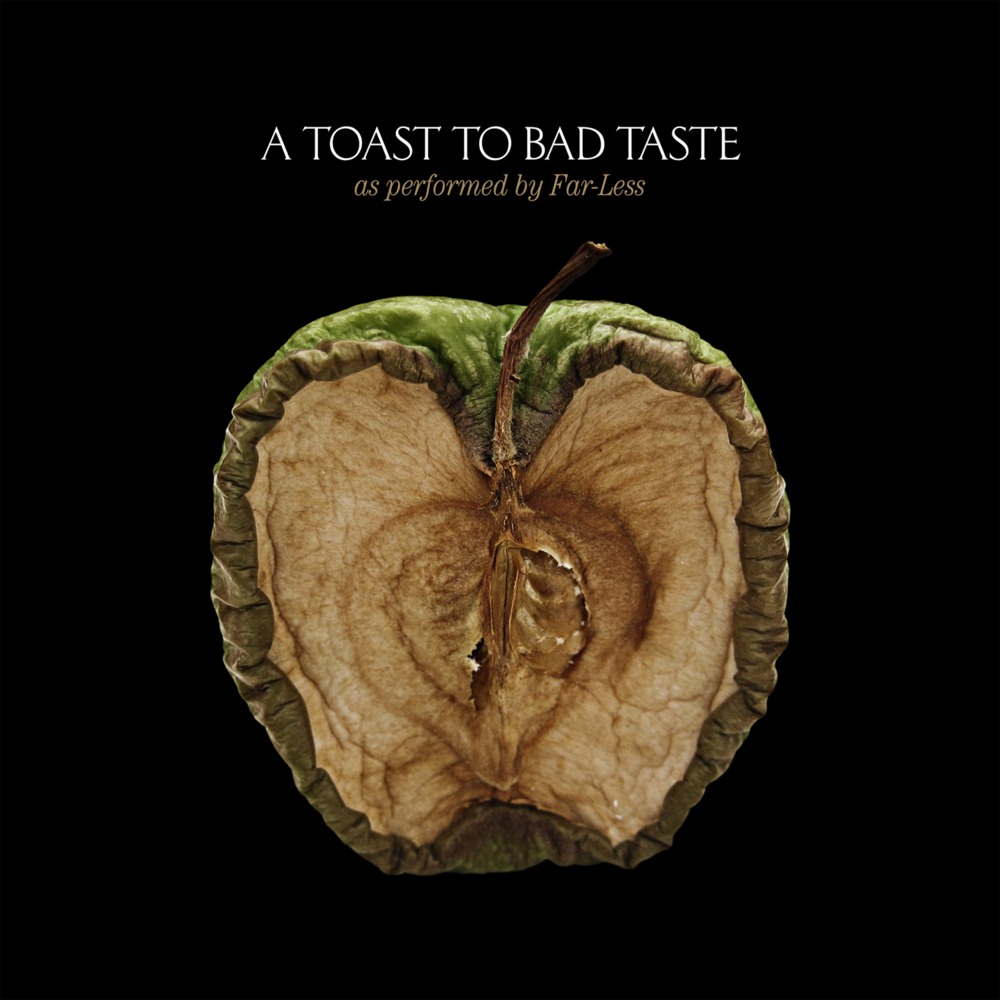
The craft here leans heavily on ironic juxtapositions and a sense of being overwhelmed. The "blind leading the blind" trope is again qualified with "only in real life," suggesting a pervasive lack of true understanding or guidance. The "machine" is a powerful, dehumanizing force that "sucks you in / And spits you out," a visceral image of being consumed and discarded by an uncaring system. This leads to a feeling of being "force fed my own blood," a disturbing self-violation that culminates in the defiant, yet resigned, "I'll drink to bad taste / A toast to bad taste."
 View Artist