Song Meaning
The lyrics paint a picture of someone fixated on a past relationship, seeing echoes of their former love in a new person. The repeated "Like you" acts as a constant refrain, highlighting the narrator's struggle to distinguish between memory and present reality. This new person possesses a "way with her own kind of style" and a "far away smile," traits that trigger a powerful sense of déjà vu, making the narrator "can't believe that it's true" how they mistake the new person for the old one.
The central tension arises from this persistent projection. The narrator acknowledges that the past relationship is "through," yet the present encounter is so potent that it blurs the lines of who they are actually interacting with. The new person "kept her feelings inside" and "go[es] so far to believe in her pride," characteristics that seem to mirror the qualities the narrator remembers, or perhaps idealizes, in the person they can't let go of. This creates a poignant internal conflict between the desire to move on and the overwhelming pull of familiar patterns.
The most striking aspect of the craft is the relentless repetition of "Like you" and "Just like you." This isn't just a simple comparison; it's an obsessive loop that underscores the narrator's inability to escape their past. The phrase "How I thought it was you" reveals the core of this delusion, a desperate hope or ingrained habit that makes them see the past superimposed on the present. The lyrics suggest this isn't about the new person's objective qualities, but rather the narrator's internal landscape, colored by memory and longing.
Ultimately, the effectiveness of these lyrics lies in their raw portrayal of this emotional entanglement. The narrator is caught in a cycle, "late at night and all through the day" remembering someone "so far away," only to be confronted by a present reality that feels uncannily similar. The final lines, "Now we're gonna know / What to do / The reason is / She's like you," offer a moment of stark realization, not necessarily of resolution, but of understanding the powerful, almost involuntary, mechanism driving their perception.
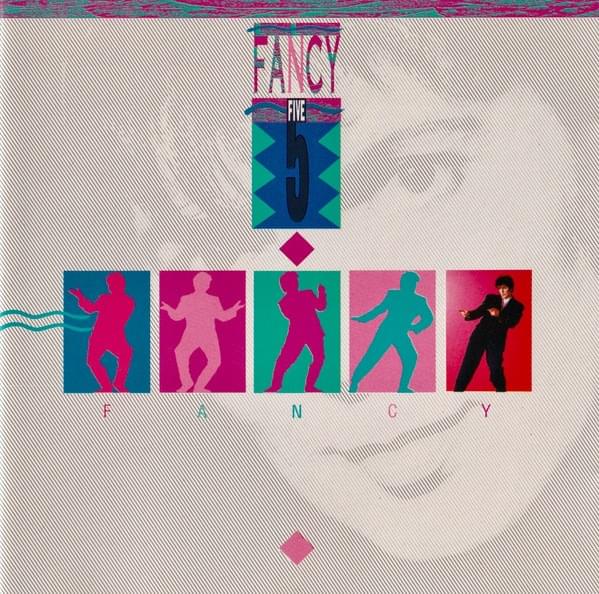
 View Artist