Song Meaning
This track paints a grim picture of societal stagnation and resistance to progress. The opening lines immediately establish a sense of futility, suggesting that any attempt at change is met with immediate opposition. The narrator seems to be observing a pervasive unwillingness to engage with new ideas or perspectives, framing it as a deliberate act of shutting down dissent before it can even take root. It's a world where the status quo is fiercely defended, leaving little room for genuine advancement.
The central tension lies in the stark contrast between those who benefit from the current system and those who are trapped by it. The lyrics highlight the hypocrisy of those in power, who question the need for change while others struggle below. This creates a palpable sense of frustration, as the desire for improvement is met with unyielding resistance from those who have the most to lose by altering the established order. The repeated phrase, "Turning your heads away from the crowd," underscores this deliberate ignorance and avoidance.
The most striking element is the powerful, almost visceral imagery of being "up at your throats before you begin." This aggressive posture against any nascent idea or differing viewpoint is chilling. The repetition of "Turning your heads away from the crowd / Turning much further than we can allow" hammers home the theme of willful blindness and the establishment's fear of anything that might disrupt their control or comfort. It suggests a society actively choosing to ignore inconvenient truths or potential positive shifts.
Ultimately, the effectiveness of these lyrics stems from their blunt, accusatory tone and the stark, almost bleak, portrayal of societal dynamics. The narrator doesn't offer solutions but instead lays bare a frustrating reality where progress is stifled by fear and entrenched power. The final lines, shouting "to the people, salt of the earth," offer a glimmer of solidarity for the oppressed, but the overwhelming feeling is one of being trapped in a cycle of resistance to any form of "good news" that might necessitate change.
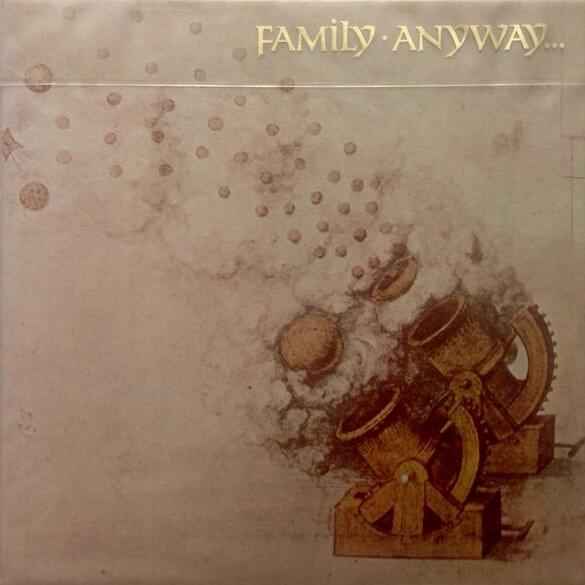
 View Artist