Song Meaning
The lyrics paint a stark picture of perceived suffering, contrasting the sensory deprivations of a "blind boy" and a "deaf man" with the narrator's own burden of sight. The narrator questions whether the blind boy would truly want to trade places, given the "pictures of people in pain" that the narrator is forced to witness. This sets up a core tension: is the narrator's ability to see a curse, exposing them to a world of suffering they can't escape?
The central conflict emerges from this perceived unfairness of sensory experience and the burden of awareness. The narrator seems to grapple with the overwhelming nature of what they see, suggesting a desire for the ignorance of the blind or deaf. The repetition of "again, again" and "some more" emphasizes the relentless, inescapable nature of this observed pain and suffering, implying a cyclical and unending torment.
A particularly striking element is the shift in perspective in the final verse. The narrator moves from contemplating the plight of the blind and deaf to addressing "those not so deaf but who lead us so blind." This suggests a critique of those who, despite having the capacity to perceive, choose to ignore or perpetuate suffering. The song itself is presented as an attempt to reach these individuals, a "song and hope it rings true."
Ultimately, the effectiveness of these lyrics lies in their direct, almost confrontational questioning of empathy and awareness. By juxtaposing different forms of sensory experience and their associated burdens, the narrator forces a consideration of what it truly means to see and to hear, and the moral implications of willful ignorance in the face of pain.
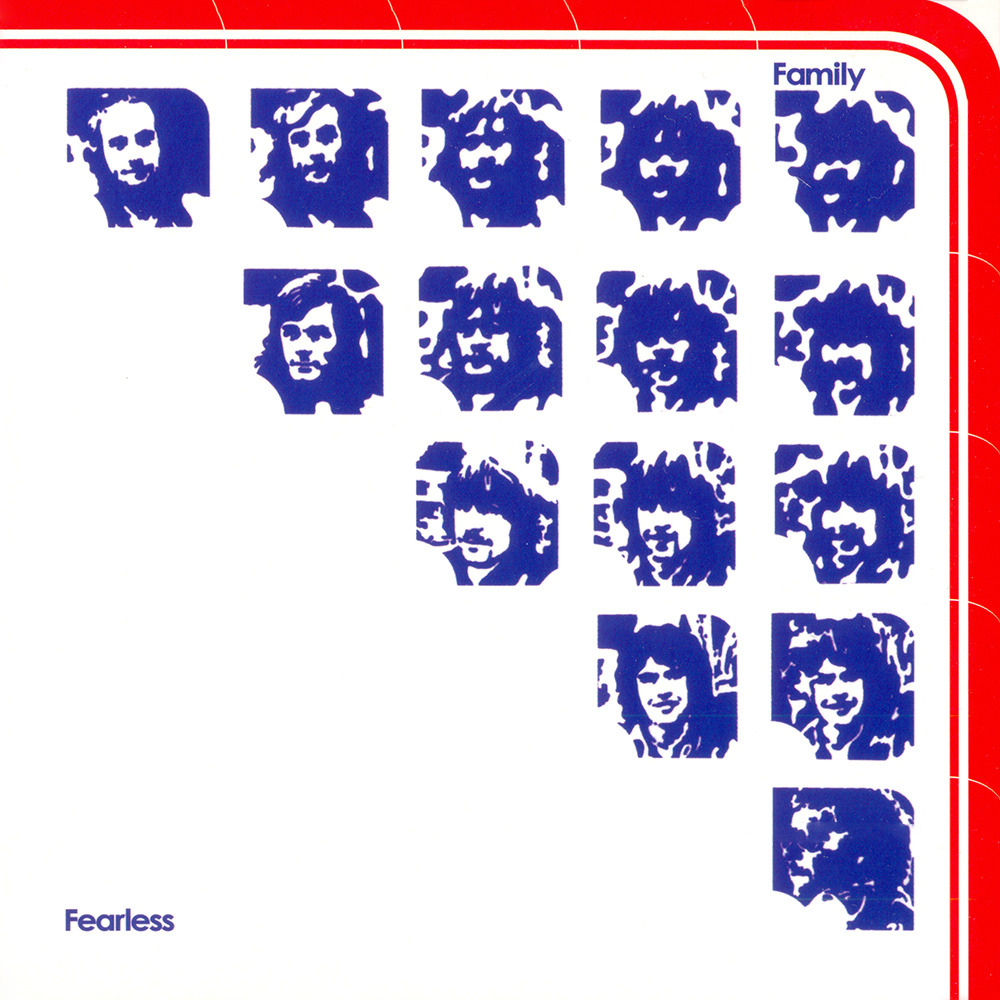
 View Artist