Song Meaning
The lyrics paint a picture of a strained, performative relationship, possibly a parent-child dynamic or a mentor-mentee situation, where one person is trying to impart a flawed sense of freedom to another. The narrator instructs someone to take "her" to the ocean, a place of vastness and potential danger, and to "cry when she asks you," suggesting a forced emotional display or a shared, unacknowledged sorrow. This act of "freedom" is immediately undercut by the instruction to tell her "all the lies that you know" and "put on a little show," revealing the hollowness behind the gesture. The scene feels less like genuine liberation and more like a carefully staged performance of it.
The central tension lies in the narrator's contradictory advice, oscillating between offering comfort and delivering harsh judgment. While telling the other person to "wrap your coat around her" and "fill her glass above the rim," there's a stark warning: "if she falls you may hold her / But if she's out don't come in." This implies a boundary that, once crossed, signifies a point of no return, a harsh lesson disguised as care. The narrator's own "white face" and admission of being "a disgrace" hints at a personal failing that colors this entire interaction, a self-awareness that doesn't translate into genuine change.
The chorus, "Free we all know we are / Free to fly, to drown, to spill milk," is particularly striking in its juxtaposition of liberation with potential destruction and mundane accidents. This isn't a simple declaration of freedom; it's a complex, almost cynical acknowledgment of the myriad ways freedom can manifest, from soaring to catastrophic failure, or even just minor domestic mishaps. The repetition of the phrase "Free we all know we are" becomes almost a mantra, a desperate insistence on a truth that the verses seem to actively undermine, suggesting that this perceived freedom is more of a shared delusion or a difficult burden than a joyful state.
Ultimately, the lyrics resonate because they capture the uncomfortable reality of imperfect guidance and the performative nature of emotional support. The narrator's advice, while seemingly aimed at teaching "her" about living and its "cost," is deeply compromised by their own admitted "disgrace" and the need to "put on a little show." The effectiveness comes from this raw, unflinching portrayal of flawed human connection, where the desire to impart wisdom is tangled with personal failure, and the very concept of freedom is presented as a double-edged sword.
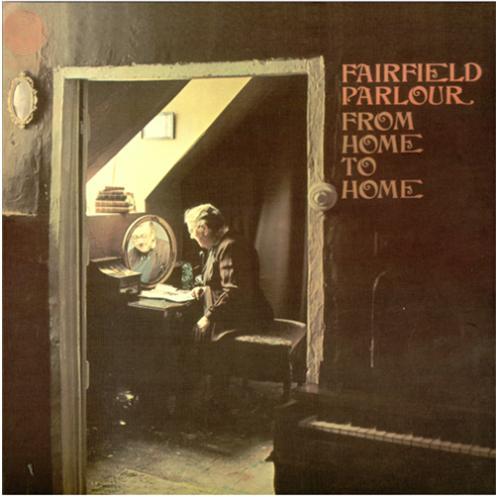
 View Artist