Song Meaning
The lyrics paint a vivid picture of a profound internal struggle and a powerful desire for self-recreation. The narrator stands at a metaphorical "cais" (quay/dock), ready to abandon a static existence and drift "sem direção" (without direction), guided only by the "ventos que clamam por mim" (winds that call for me). This initial imagery sets a tone of bold, almost reckless, departure from the familiar, suggesting a deep-seated need to break free from whatever has held them captive.
The core tension lies in the "digladiar com os dois de mim" (wrestling with the two of me). This internal conflict is central, positioning the narrator as both the aggressor and the defender, the "São Jorge de meu dragão" (Saint George of my dragon). They are actively battling against a part of themselves, a "dragão" that must be conquered for the "renascer" (rebirth) to occur. This self-confrontation is not passive; it involves actively "tecer minhas teias com minhas mãos" (weaving my webs with my hands) and "sugar das entranhas desse chão meu fim" (drawing my end from the entrails of this ground), indicating a deliberate, hands-on approach to their own dissolution and reconstruction.
The most striking element is the cyclical nature of self-creation and the merging of internal and external journeys. The narrator aims to "trilhar as estradas que não trilhei" (tread the roads I haven't trodden) and "romper as portas trancadas por mim" (break down the doors locked by me), emphasizing a path of self-discovery and overcoming self-imposed limitations. The ultimate goal, "minhas mãos saberão de meus pés" (my hands will know my feet), suggests a complete integration of self, a state where every part of their being is in harmony and aware of the whole. This leads directly to the repeated, fervent declaration: "e assim renascer" (and thus be reborn).
This lyrical tapestry is effective because it grounds abstract psychological conflict in concrete, active verbs and striking metaphors. The imagery of weaving, wrestling, and breaking down doors creates a sense of agency and intense effort. The internal battle is externalized through the Saint George and dragon allegory, making the struggle tangible. The repeated "renascer" acts as an incantation, a powerful affirmation of the desired transformation, leaving the listener with a profound sense of the arduous but ultimately hopeful process of self-reinvention.
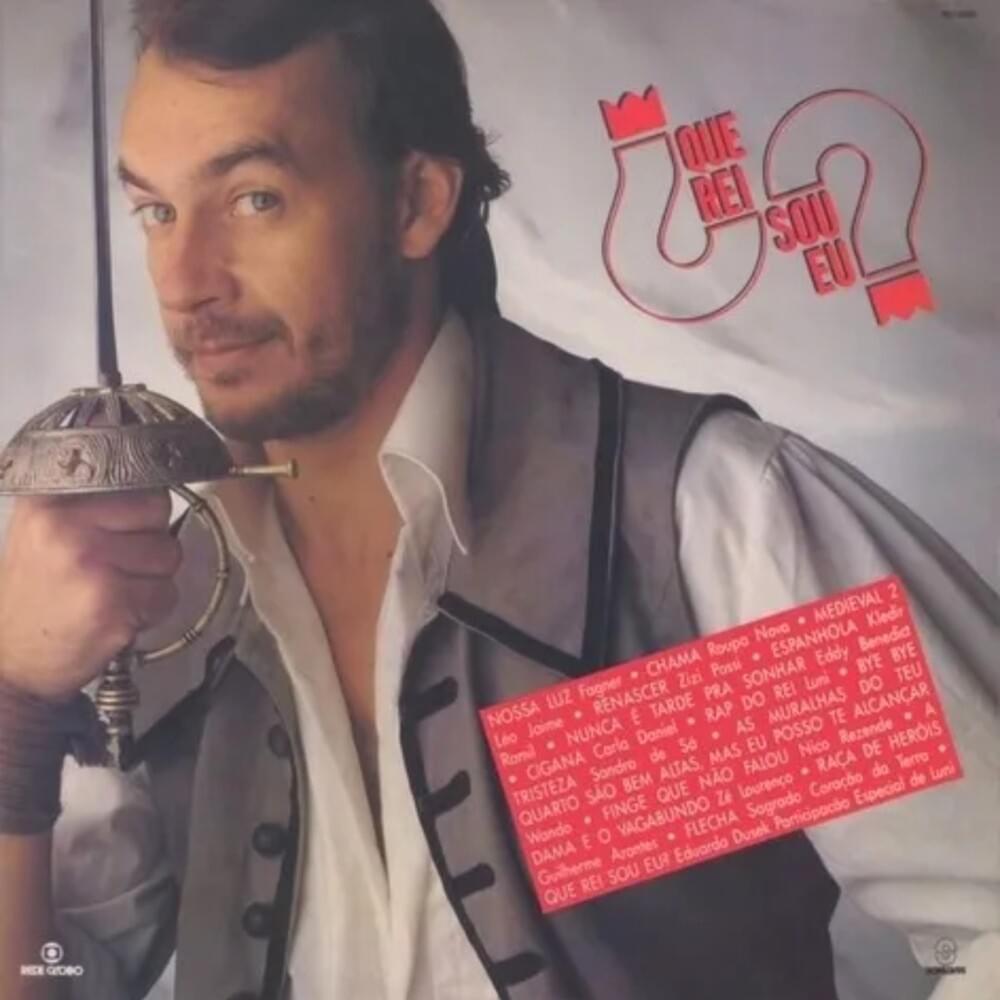
 View Artist