Song Meaning
The lyrics paint a picture of a relationship's aftermath, where the familiar comfort of the moon now feels alien, mirroring the narrator's own changed state and that of their former partner. There's a stark contrast between the mundane act of going home to eat bread made by someone else and the profound sense of loss, suggesting a life continuing on autopilot while emotional devastation simmers beneath the surface. The narrator claims indifference, stating "Não pense que eu me importo" and "Não pense que eu ligo," yet immediately contradicts this by admitting "Vou pra casa chorar," highlighting a deep internal conflict between outward stoicism and private grief.
The central tension lies in the struggle to reconcile the desire for permanence with the reality of impermanence, particularly in relationships. The narrator wishes "Que tudo é eterno" but acknowledges "Mas nunca é assim," a sentiment that fuels the "melodrama" they dismiss. This dismissal, "É só melodrama / Pra mim tanto faz," serves as a defense mechanism against the overwhelming pain of what feels like "o fim do mundo," a dramatic framing they simultaneously reject as insignificant.
The most striking craft element is the repeated juxtaposition of grand, existential pronouncements with dismissive, almost flippant declarations. The idea of returning "Daqui a mil anos" is followed by the mundane "Vou pra casa comer," and the crushing weight of "o fim do mundo" is met with "E pra mim não é nada de mais." This creates a powerful irony, suggesting that the narrator's attempt to downplay their feelings is precisely what makes the situation so emotionally charged, turning their supposed indifference into the very core of the drama.
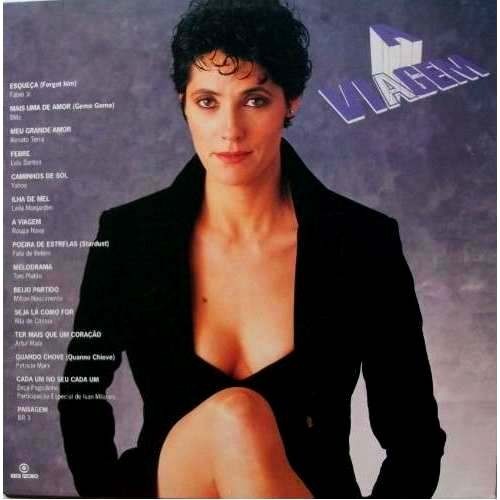
 View Artist