Song Meaning
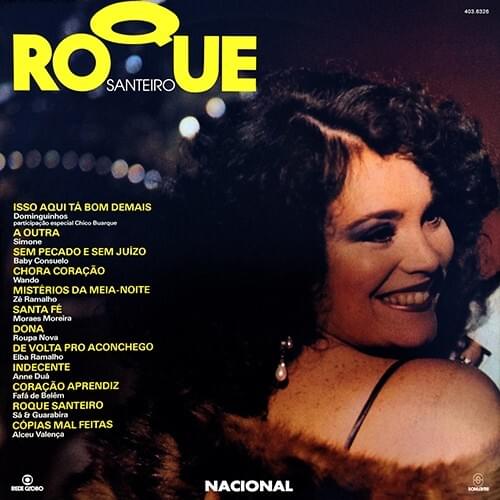
The lyrics paint a picture of a legendary figure, Roque Santeiro, whose story is shrouded in myth and devotion. He's described as a man who died defending his territory, a sacrifice that has elevated him to a near-saintly status among his people. Yet, there's a persistent belief that he's not truly gone, living on in the very land and river where he was born, a testament to his enduring presence.
This duality of death and continued existence forms the core tension. While the narrative acknowledges his physical demise, the repeated assertion "sei que é ainda vivente" (I know he is still living) suggests a spiritual or symbolic immortality. He's seen as a protector, even blessing those who didn't support him, highlighting a magnanimous spirit that transcends earthly judgment.
The song employs an ABC structure to break down Santeiro's legacy, offering cryptic clues about his life and death. 'A' signifies a farewell to the established order, 'B' represents the struggle of mortality, and 'C' laments the suffering of the people. This alphabetical dissection makes his complex story accessible, yet the cryptic nature of each letter leaves room for interpretation and reinforces his enigmatic persona.
The effectiveness lies in its blend of folk legend and social commentary. The lyrics create a powerful image of a folk hero whose sacrifice and perceived continued presence offer solace and a sense of identity to a struggling populace. The narrative's ambiguity about his true state—dead or alive—mirrors the way faith and legend can sustain communities through hardship.
 View Artist