Song Meaning
The lyrics paint a stark picture of environmental devastation, opening with a universal lament: "O índio chorou... O branco chorou... Todo mundo está chorando." This immediate, shared sorrow sets the stage for the central crisis: "Amazônia está queimando." The pain and horror are palpable, not just abstract concepts but deeply personal losses.
The core tension arises from the destruction of a cherished past and the loss of natural habitats. The narrator laments, "Minha infância virou lenha," a potent image connecting childhood memories to the fires consuming the land. This personal grief is mirrored in the exodus of wildlife – the saracura, the jaguar, the monkeys, and birds are all fleeing a heat they cannot escape, destined "Pra nunca mais voltar." The transformation of the homeland into a "deserto" and the drying of the river underscore the irreversible damage.
The most striking aspect is the shift from despair to a call for collective action and a vision of renewal. The narrator proposes inviting the tribe to "brincar no Garantido," a cultural celebration, as a way to "declarar" a new commitment. This isn't just about mourning; it's about actively choosing a different future where "Nada de queimada ou derrubada" and "A vida agora é respeitada." The final lines propose a communal act of defiance and hope: "Vamos brincar de boi, tá Garantido... Matar a mata não é permitido."
This lyrical arc is effective because it grounds immense ecological tragedy in personal experience and then pivots to a hopeful, actionable vision. The repetition of "Ai, ai, que dor... Ai, ai, que horror..." amplifies the initial devastation, making the subsequent call for celebration and respect for life feel earned and powerful. The lyrics suggest that remembrance and cultural practice can be tools to reclaim and protect the natural world.
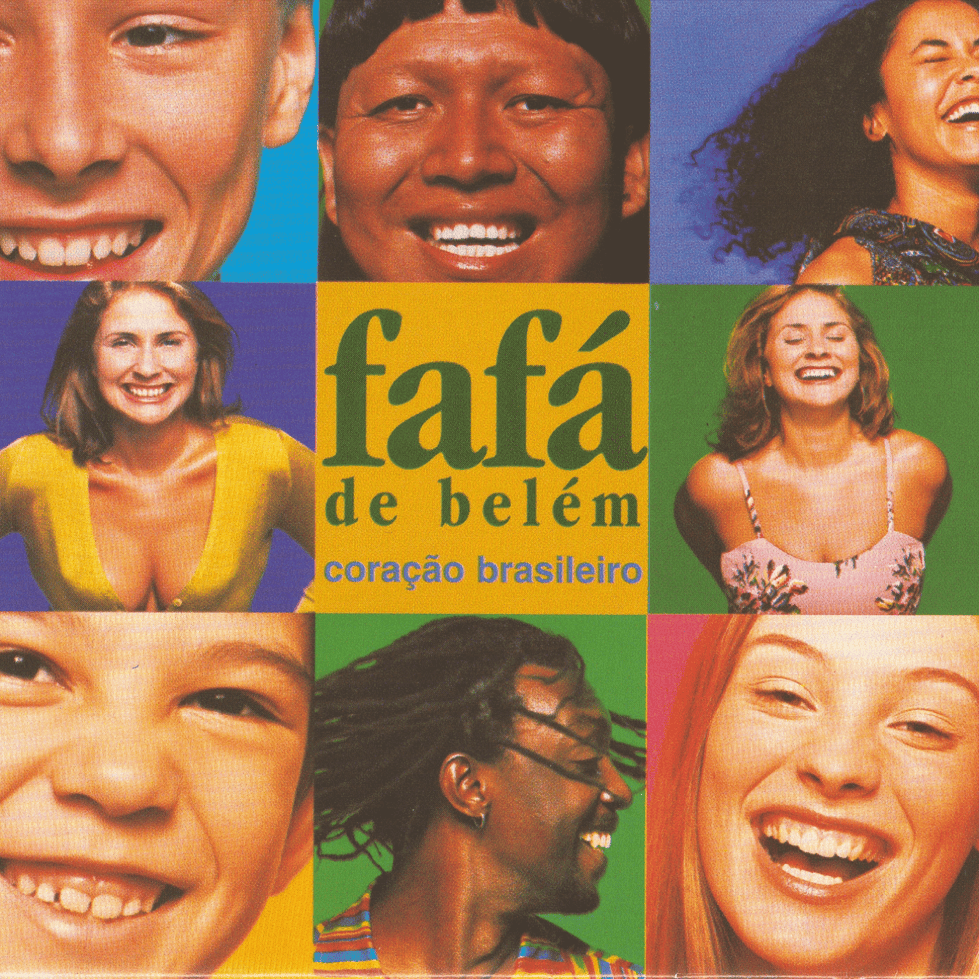
 View Artist