Song Meaning
The lyrics of "Araguaia" immediately immerse the listener in a scene of profound natural beauty, characterized by "Longas noites, madrugadas" and "Quanta beleza / Pra um só lugar." Yet, this idyllic imagery is swiftly undercut by a stark declaration of irreversible loss: "Não, não volta / Nunca mais." It's a poignant snapshot of a cherished place now slowly succumbing to "abandono."
This central tension—the enduring beauty of a memory set against the reality of its physical absence—drives the emotional core of the lyrics. The narrator's connection to the "Meu Araguaia" is deeply personal, with its "areias / Cobriram meus pés," suggesting an intimate, grounding experience. The repetition of "Nunca mais" initially signals a finality, a permanent departure from this beloved state or place.
The craft here is particularly striking in how it navigates this sorrow. A "estrela atravessou o céu," a moment of tender beauty, is framed "Num pesadelo da razão," suggesting a memory so vivid it borders on the surreal or painful in its clarity. Crucially, the lyrics reveal a powerful transformation: the river's presence "Fez do pranto / Um acalanto / Pra nós dois." Weeping is not just endured but transmuted into a lullaby, a source of comfort, indicating that even profound sadness can hold a soothing quality when intertwined with cherished memories.
Ultimately, these lyrics resonate because they articulate the complex human experience of holding onto the past. Despite the physical reality that "Não, não volta / Nunca mais," the narrator concludes with an unwavering internal truth: "Não esqueço nunca mais." The physical presence may be gone, but the emotional imprint, the "sonhos / Que já estão em mim," remains an indelible part of the self, offering a bittersweet solace that makes the loss, paradoxically, a source of enduring tenderness.
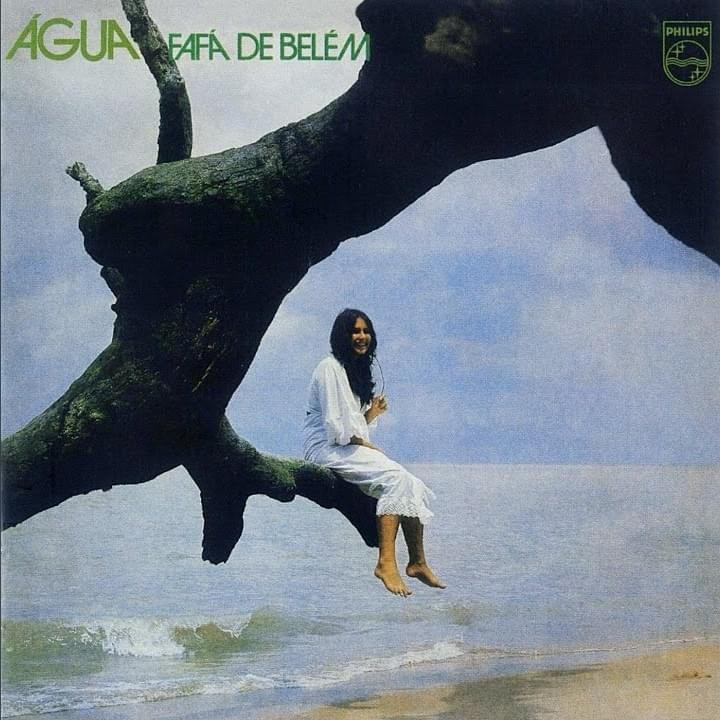
 View Artist