Song Meaning
The narrator grapples with a profound sense of isolation, feeling adrift and out of sorts. This loneliness is disrupted by the arrival of someone, Jezebel, who introduces confusion and an urgent, almost desperate energy. The narrator questions the nature of this connection, noting how their own life seems mirrored in Jezebel's face, creating a feeling of a critical, 'now or never' moment that complicates any attempt at sharing or understanding.
The central tension arises from the narrator's desire to disengage from this overwhelming emotional dynamic. Despite acknowledging that love itself might not offer peace, and that the intensity of the emotions feels excessive, the narrator declares, "Mas não quero mais" (But I don't want anymore). This is a clear rejection of the current state, even as the lyrics suggest the struggle against it is ongoing and difficult.
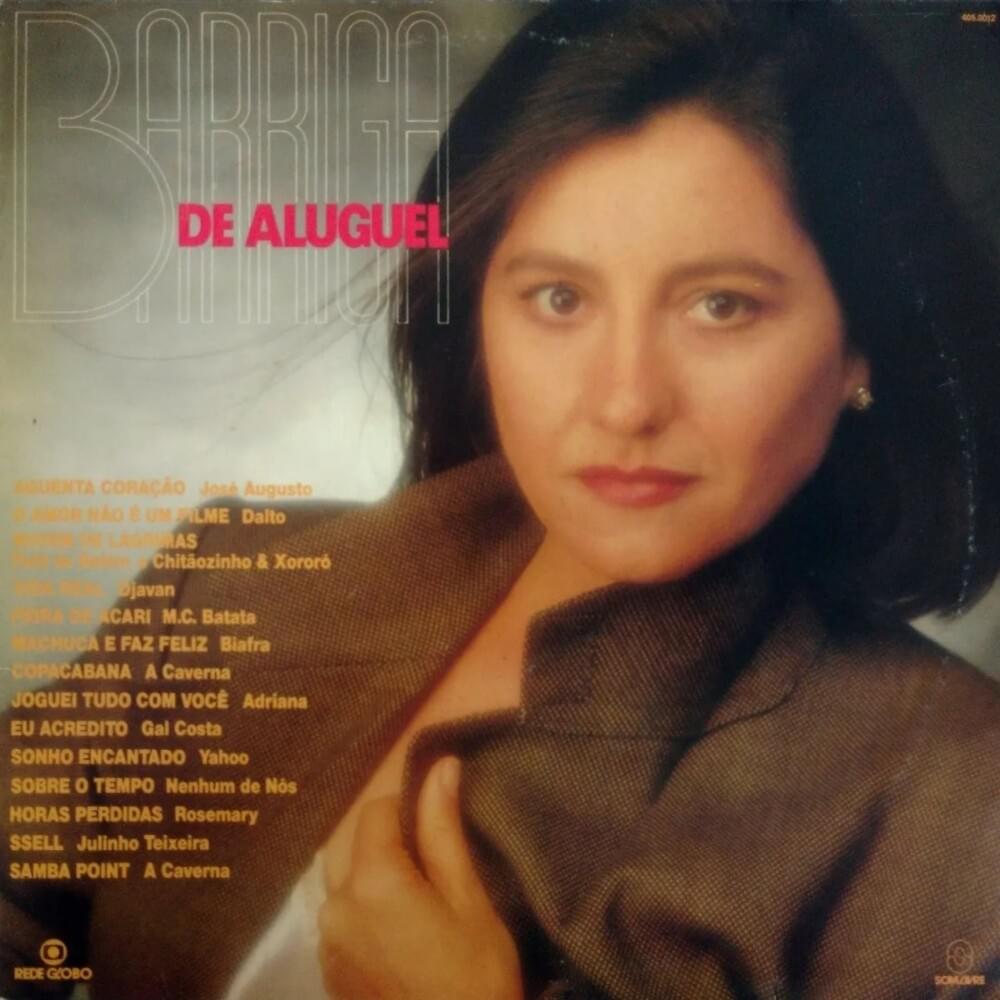
The most striking lyrical device is the repeated assertion that "O amor não é um filme, Jezebel" (Love is not a movie, Jezebel). This refrain directly contrasts the chaotic, high-stakes reality of their relationship with the idealized, often predictable narratives of cinema. The lyrics further emphasize this by stating dreams don't end like records and stars don't fade on touch, highlighting the tangible, unscripted nature of their emotional experience.
This disconnect between expectation and reality is what makes the lyrics resonate. The narrator is pushing back against a potentially romanticized, yet ultimately destabilizing, connection. By grounding the emotional turmoil in specific, relatable images of isolation and the stark declaration that love isn't a film, the writing captures the difficult process of disentangling oneself from a relationship that feels both consuming and illusory.
 View Artist