Song Meaning
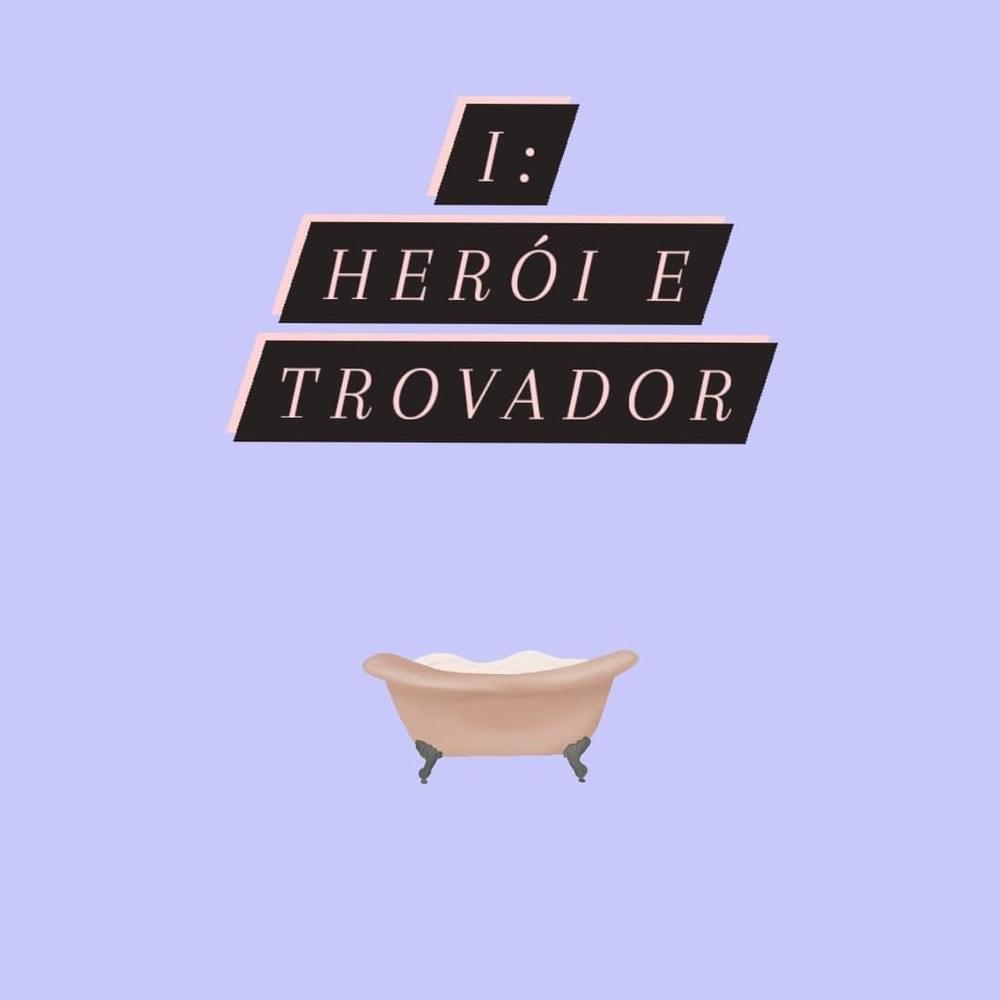
The lyrics paint a picture of a sudden, overwhelming rush of memories and emotions, triggered by something in the street that initially drowned out the narrator's internal turmoil. This internal "voracious gallop" seems to be a powerful, perhaps anxious, feeling that bursts forth, bringing with it a cascade of specific images: "your skin, the notebooks, / Portuguese classes, / And your tender eyes." These details anchor the experience in a past relationship or significant connection, intensified by the memory of "winters in the bathtub," suggesting intimacy and shared time.
This initial surge gives way to a present-day scenario where the narrator encounters the subject of these memories. There's a clear tension between a desire to appear composed and bold – "Now I would say: You here? How are you? / Trying to sound composed and audacious" – and the lingering pain of pride. The narrator is actively "overcoming torpor," a state of numbness or shock, indicating a struggle to regain control and emotional equilibrium.
The most striking element is the narrator's self-definition in relation to the other person. They offer the other the role of the "hero," suggesting a figure of strength or admiration, whether as a "poet, shaman, or tenor." Crucially, the narrator then repeatedly declares, "I will be the troubadour," and "I will be the troubadour." This isn't a passive acceptance of a lesser role; the troubadour, a medieval singer of tales, implies a role of chronicler, storyteller, and perhaps romantic idealist, choosing to immortalize the experience through song rather than direct heroic action.
The effectiveness of these lyrics lies in their intimate portrayal of internal conflict and self-perception. The contrast between the initial overwhelming flood and the carefully constructed present-day persona highlights a deep emotional process. By embracing the identity of the troubadour, the narrator finds a way to process past pain and present awkwardness, transforming personal experience into a narrative, a testament to the enduring power of memory and artistic expression.
 View Artist