Song Meaning
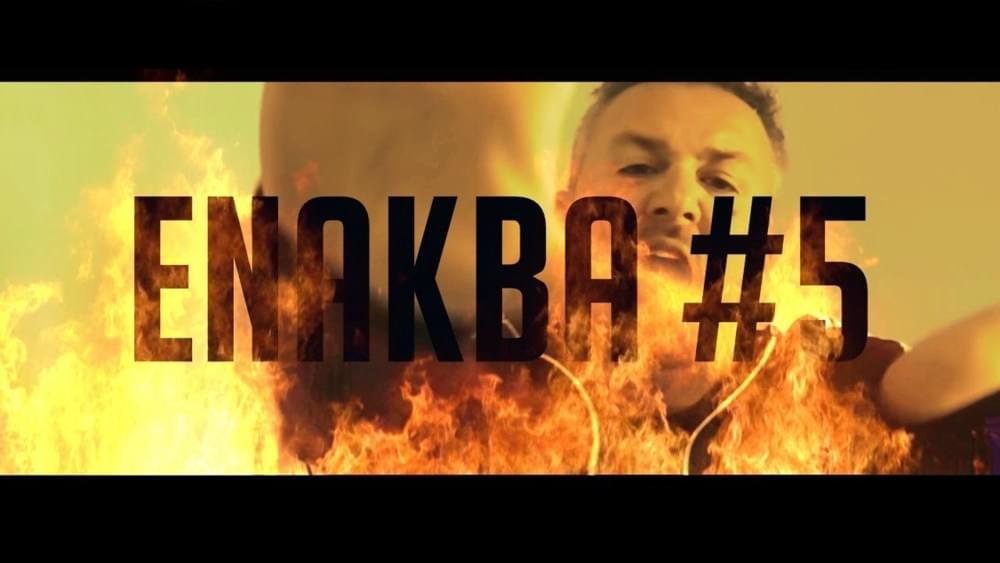
This freestyle kicks off with a direct, no-nonsense approach, immediately signaling a shift from pleasantries to the core message. The narrator states, "No need to introduce myself, let's get straight to the point." This sets a tone of urgency and confidence, suggesting a focus on impact over formality. The arrival of "Enakba #5" is described as unexpected, like a "coupe-tête," emphasizing its disruptive nature. The lyrics immediately establish a contrast between those floundering in rap without direction and the narrator, who positions themselves as a powerful, almost unmovable force, like Putin.
The central tension lies in the narrator's perceived lack of recognition versus their undeniable skill and impact on the rap scene. They acknowledge that "Fax" (perhaps a previous persona or project) wasn't widely known and didn't get its due, but this doesn't diminish their current standing. Instead, it fuels a defiant assertion of their presence and future dominance. The narrator claims that when they sigh, rap itself notices, anticipating their next move and preparing for the suffering it will bring. This suggests a deep, almost existential connection between the narrator's creative output and the health or direction of the rap genre itself.
The most striking craft element is the vivid, almost violent imagery used to describe the narrator's artistic process and impact. The line, "music said 'die!'" and the narrator's response, "I came back with Enakba to reboot it," frames their return as a resurrection, a forceful re-engagement with a stagnant scene. The description of instruments being "chalk-outlined" like a crime scene, coupled with the claim of killing "découpage" (perhaps meaning the fragmentation or superficiality of rap), paints a picture of a meticulous, almost forensic approach to dismantling and rebuilding the genre. This isn't just music; it's an intervention.
Ultimately, these lyrics resonate because they articulate a powerful sense of self-belief and artistic authority, grounded in a defiance of obscurity and a commitment to a raw, impactful form of expression. The narrator's assertion that they'll "take it clean" and serve it up like a "sordid" night-time lullaby suggests a complex blend of purity in intent and a dark, intoxicating delivery. It's this confident, almost predatory, yet precise execution that makes the narrator's presence in the rap landscape feel so potent and inevitable.
 View Artist