Song Meaning
The lyrics paint a picture of someone living a seemingly perfect, morally upright life, yet grappling with an unsettling internal dissonance. The opening lines, "It's all right / Everything is fine / You live the perfect life," establish a facade of flawlessness. However, this is immediately undercut by questions like "What they say / Does it make you feel ashamed?" and "Isn't everyone the same?" suggesting a hidden struggle or a secret that contradicts this outward appearance.
The central tension arises from the conflict between this curated perfection and a nagging sense of unease, encapsulated by the repeated refrain, "God is a man." This phrase, presented as a certainty, seems to imply a rigid, perhaps patriarchal, moral framework that the narrator is either adhering to or rebelling against. The lyrics hint that this imposed order might not be entirely authentic, questioning "Does it matter that it wasn't your idea?" pointing to a potential lack of genuine conviction or agency in their beliefs or actions.
The most striking element is the juxtaposition of divine authority with personal doubt. The chorus declares, "God is a man / You know for certain / The knowledge in and of itself / Is more than we deserve." This suggests a profound, almost overwhelming, understanding or acceptance of a higher power's decree. Yet, the subsequent lines reveal a persistent internal conflict: "Something's still not right / The devil you don't know is still outside." This implies that even with a clear, divinely ordained path, an unknown, perhaps more insidious, temptation or truth remains just beyond reach, creating a deep-seated anxiety.
Ultimately, the effectiveness of these lyrics lies in their subtle portrayal of existential discomfort within a seemingly ordered existence. The narrator appears to be caught between the comfort of established doctrine and the unsettling realization that true peace or authenticity might lie in confronting the unknown. The repeated assertion that the "knowledge" is "more than we deserve" could be interpreted as a desperate plea for grace or a weary acknowledgment of the burden of a truth that doesn't quite fit.
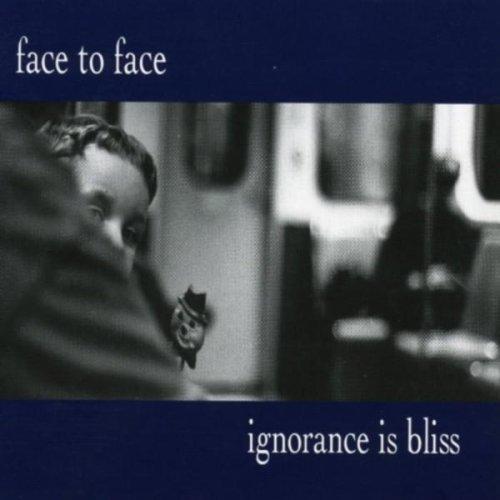
 View Artist