Song Meaning
The narrator questions a distorted reality, sensing a fundamental disconnect between what is presented and what is true. They directly challenge the integrity of their interlocutor's perspective, asking, "What's the matter with my view?" This sets a tone of disillusionment, hinting that the established order or the other person's perception is flawed, and that the truth is becoming obscured.
The core tension arises from a profound disagreement about fairness and autonomy. The narrator rejects the idea that things are "supposed to be" this way, specifically calling out a perversion of "equality." This isn't just a personal grievance; it's a critique of a system or relationship where one party dictates terms while claiming freedom, a blatant contradiction that fuels the narrator's frustration and desire for change.
The lyrics highlight a stark power imbalance disguised as opportunity. The demand that one "do most anything / As long as it's exactly how I say" reveals a controlling dynamic. The concept of "opportunity is free" is immediately undercut by the condition, "Just make sure that you have enough to pay," suggesting that freedom comes with an exploitative cost, a transactional approach to liberation that the narrator finds unacceptable.
Ultimately, the narrator's refusal of "promises" and "condescending words" signals a breaking point. The repeated assertion, "I won't make the same mistakes / Can't have it any other way," signifies a firm resolve to disengage from a dishonest dynamic. The final lines, "I see no honesty in promises you make / We've been too tolerant and something has to change," underscore a commitment to self-preservation and a demand for genuine equity, rejecting hollow assurances for tangible reform.
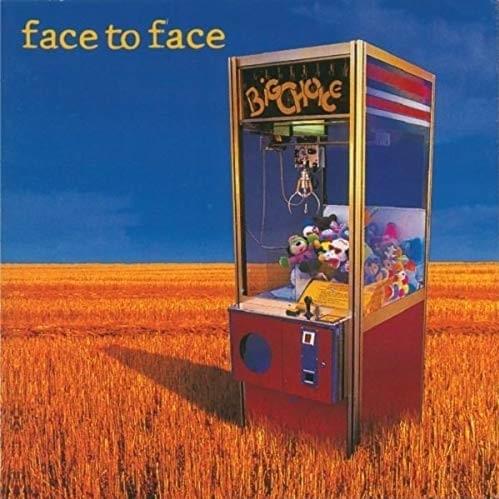
 View Artist